Beginning To Use Cover Crops
16 min read - Too Long?
Manure is highly valued on the allotment, and it’s not around long whenever it comes in. The site manager usually arranges it on our site. The benefits of using it are well known and do not need repeating here.
I use it when it comes in but had wondered what would happen if it ever stopped being delivered. It’s also hard to know what’s in the manure too, what the horses are fed on etc, and you often see syringes in the manure.
A conversation with someone about an empty bed led to Phacelia being mentioned but not as a cover crop. I looked it up and quickly came across the concept of cover crops, and how they are used. It made a lot of sense.
I tried some during the summer of 2024 and could see how it would benefit the soil. I sowed crimson clover, mustard, field beans, Italian ryegrass, grazing rye and forage pea on various beds and had varying results.
My intention is to try them for five years before I draw any conclusions of my own but I can see obvious results already where I’ve used them. The soil is definitely better in those areas.
Anyway…
Mustard
After our potatoes came out in 2024 we had a good opportunity to try mustard in the warm weather, and it really did do well. I took great care when sowing to make sure it had a good chance of germinating.
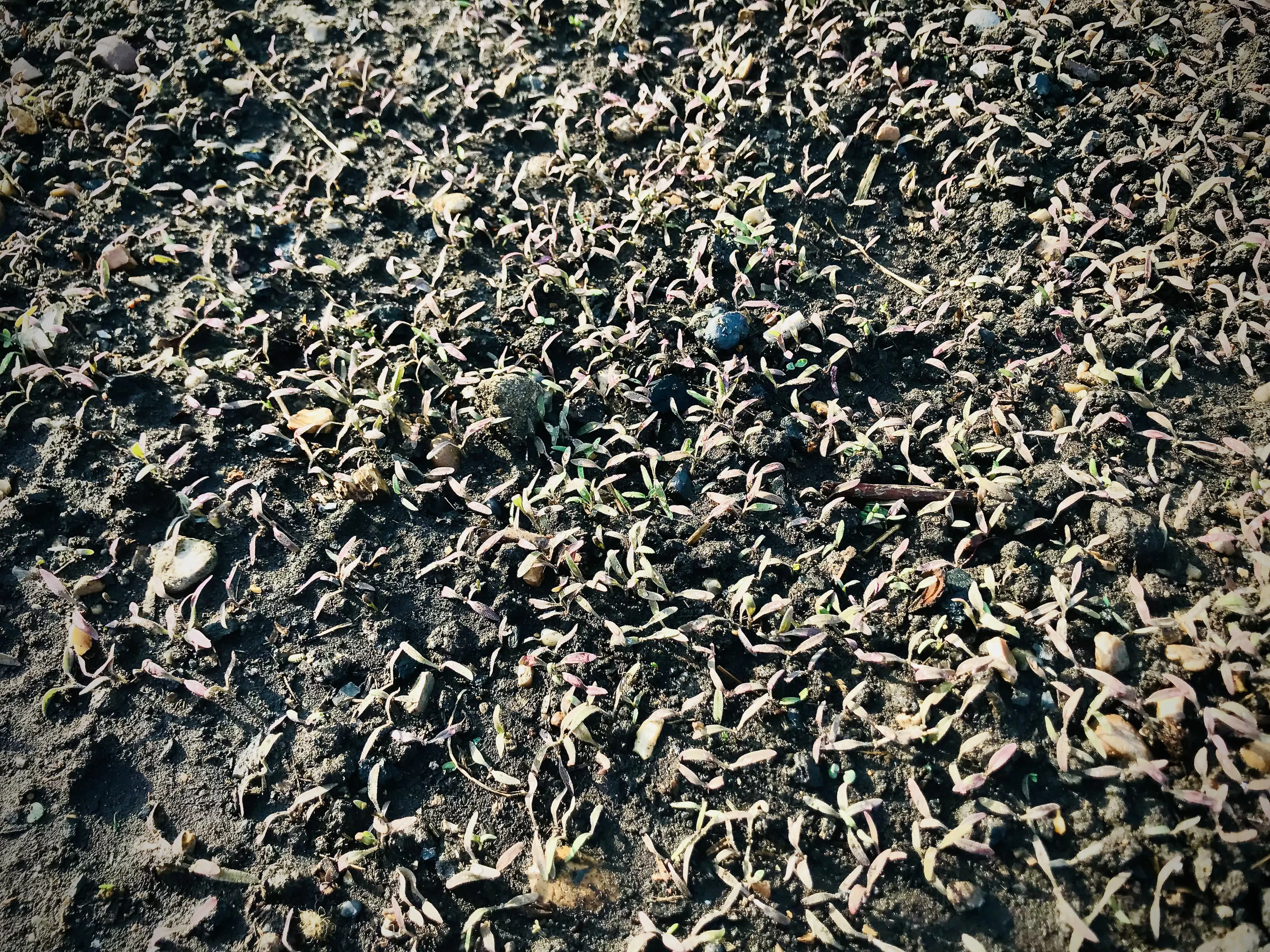
I rotovated the ground, raked it, sowed the seeds thinly. I then raked them in lightly, “tamped” them down, and watered them. As it was still summer they germinated really quickly and ended up about three feet tall in places.
After getting the three plots, and changing how I think about growing, I treat sowing cover crops with the same care as I would my “cash crops”. I like to adopt the mindset of an organic farmer as much as possible.
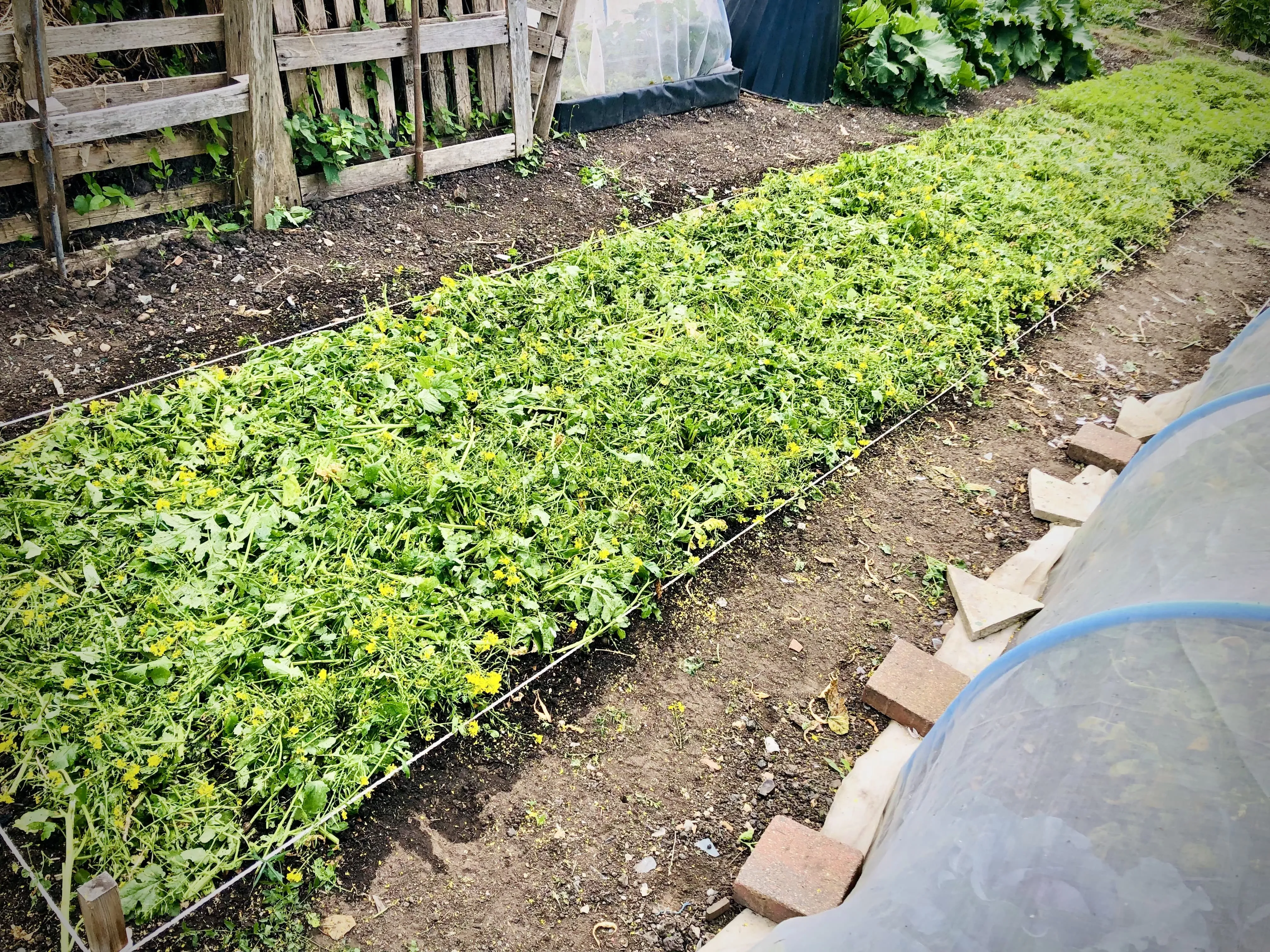
It grew a beautiful dense canopy of yellow flowers before I cut it all down and dug it into the top of the soil about three months after planting. I let it rot down slowly over the autumn and winter of 2024/2025.
Admittedly, this area of the plot already seemed to have very nice soil. It had a nice “loam” and we’d put manure on it when we first took on the plot. But I do feel the mustard has helped improve it even more.
The beetroots we put in the bed in 2025 were absolutely superb, and I can’t help but think that the mustard helped in some way, adding something other than manure to the soil.
Phacelia
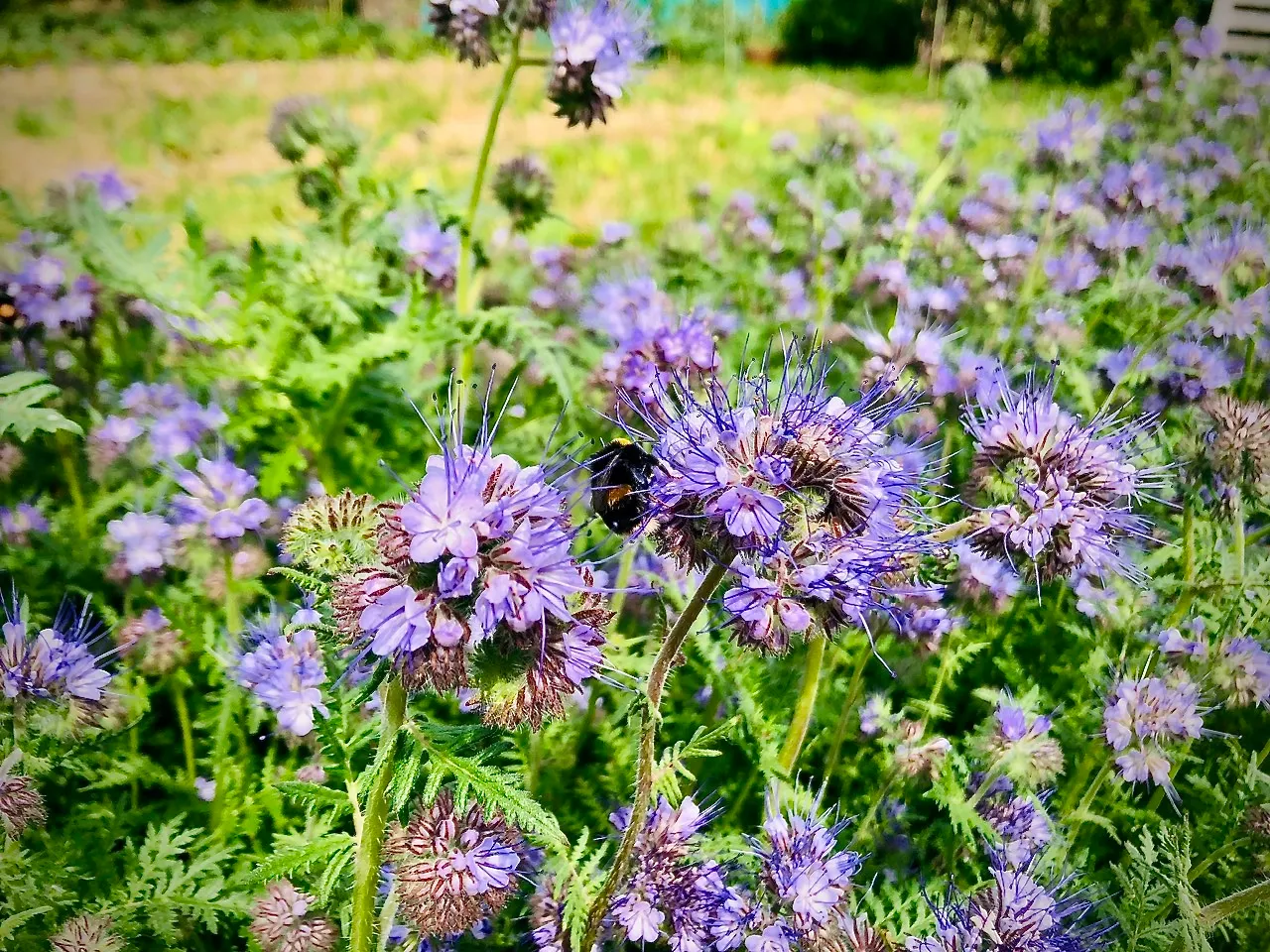
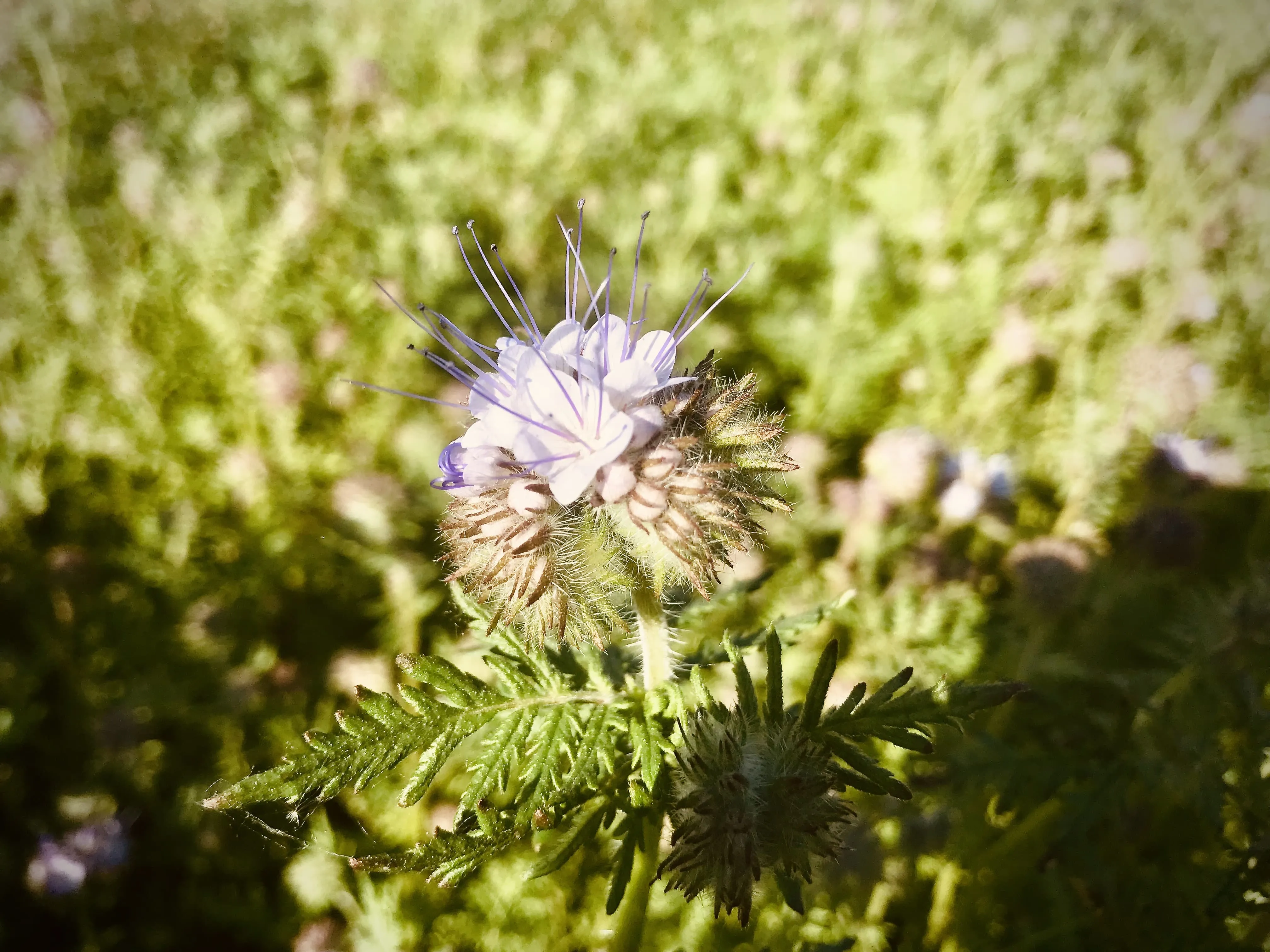
I have a bit of a soft spot for Phacelia. It’s easy. It grows quickly, definitely smothers the weeds, brings in lots of bees and insects and you don’t have to think too much about fitting it into your rotation.
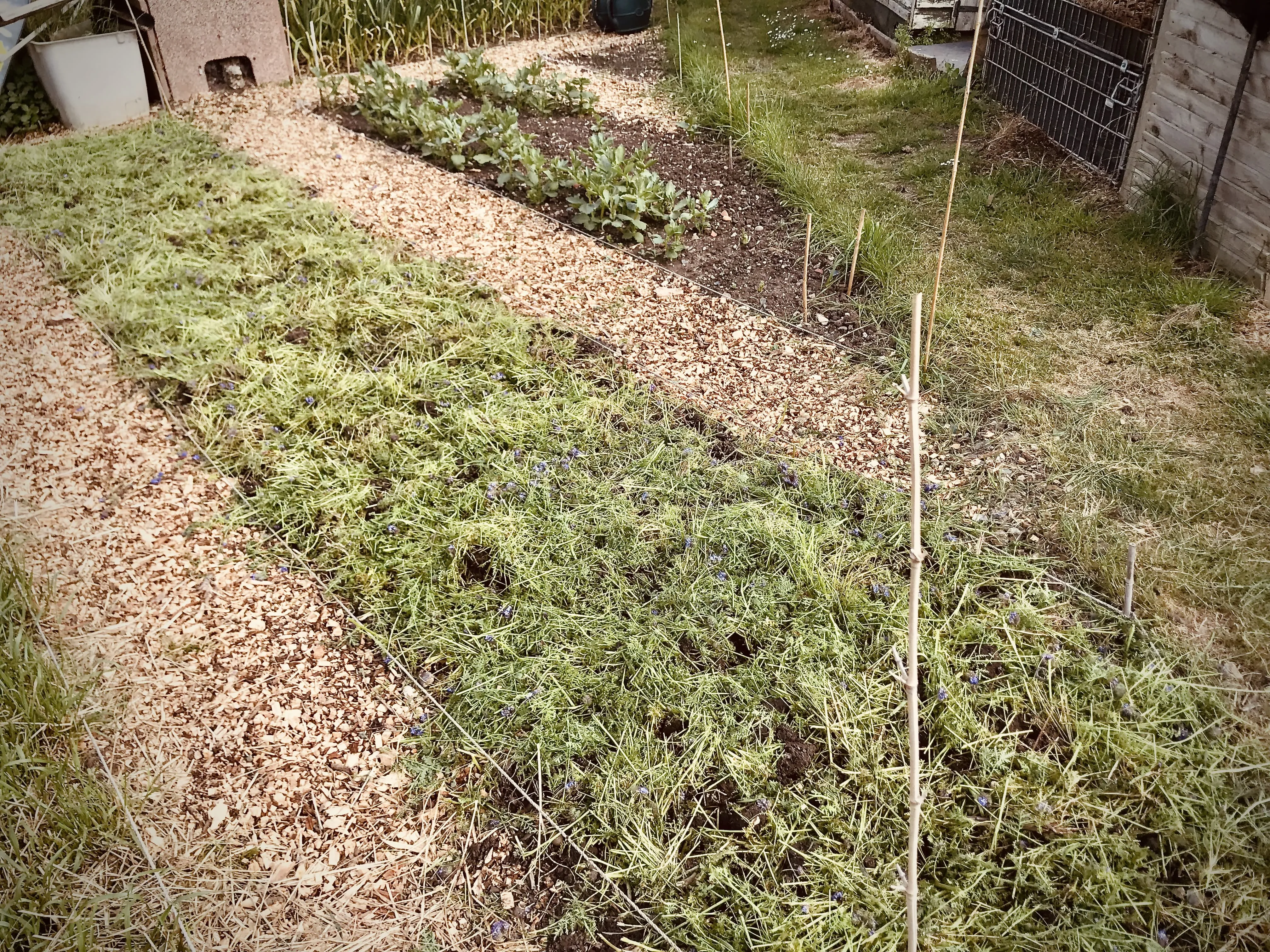
This has gone into quite a few our of beds now. After cutting it down and digging it lightly into the surface of the soil and leaving it, you can definitely see and feel the benefits in the soil.
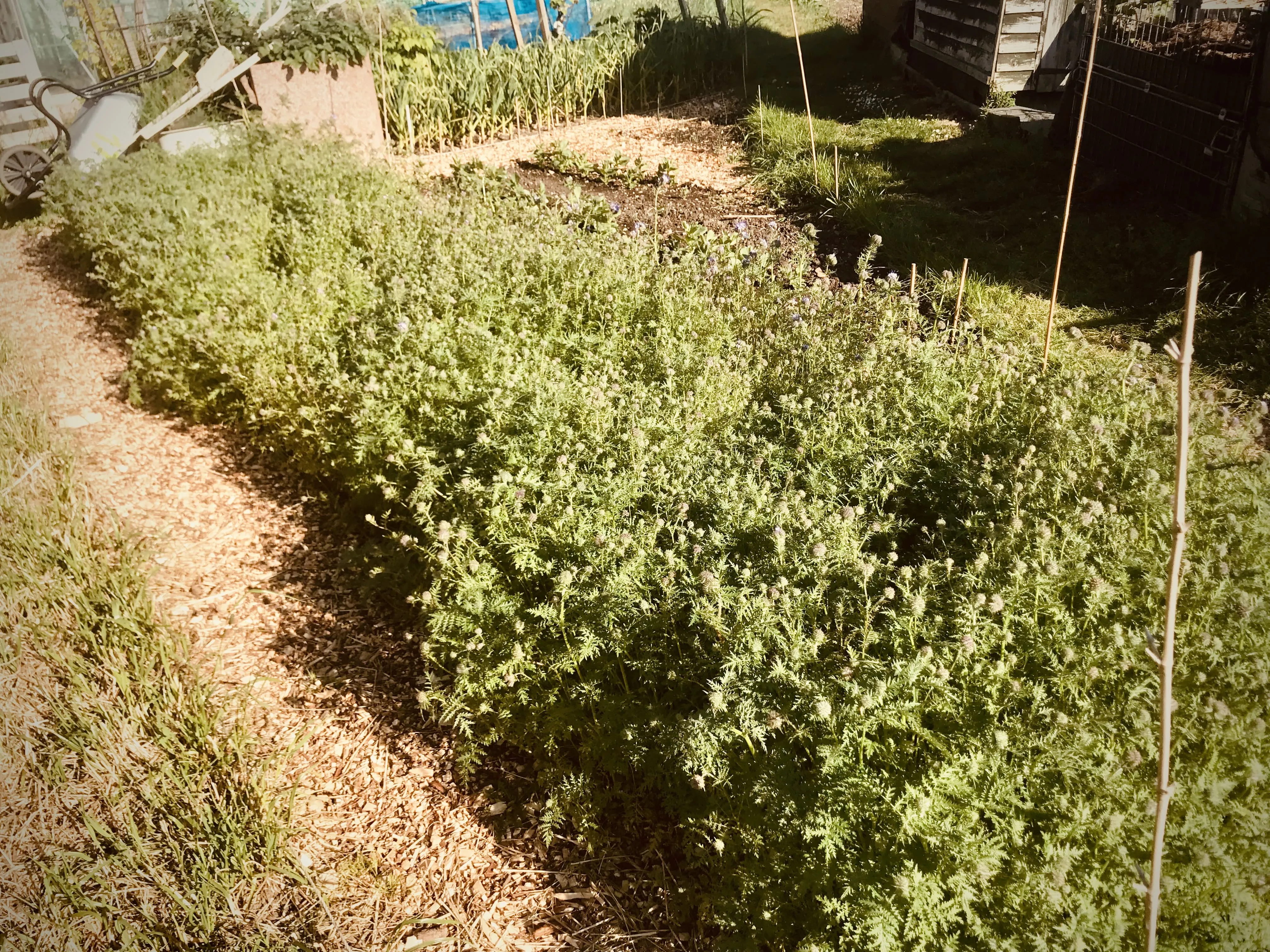
I’d highly recommend using Phacelia if you’ve not tried cover crops before. I literally don’t think you can go wrong with it, even if you’re not using it as a cover crop per se, just use it to cover up your exposed soil.
It’s so easy to cut down and adds quite a bit of organic matter to the soil. I reckon if you did it all year on one bed when the weather is warm enough, you’d see big improvements to your soil in no time.
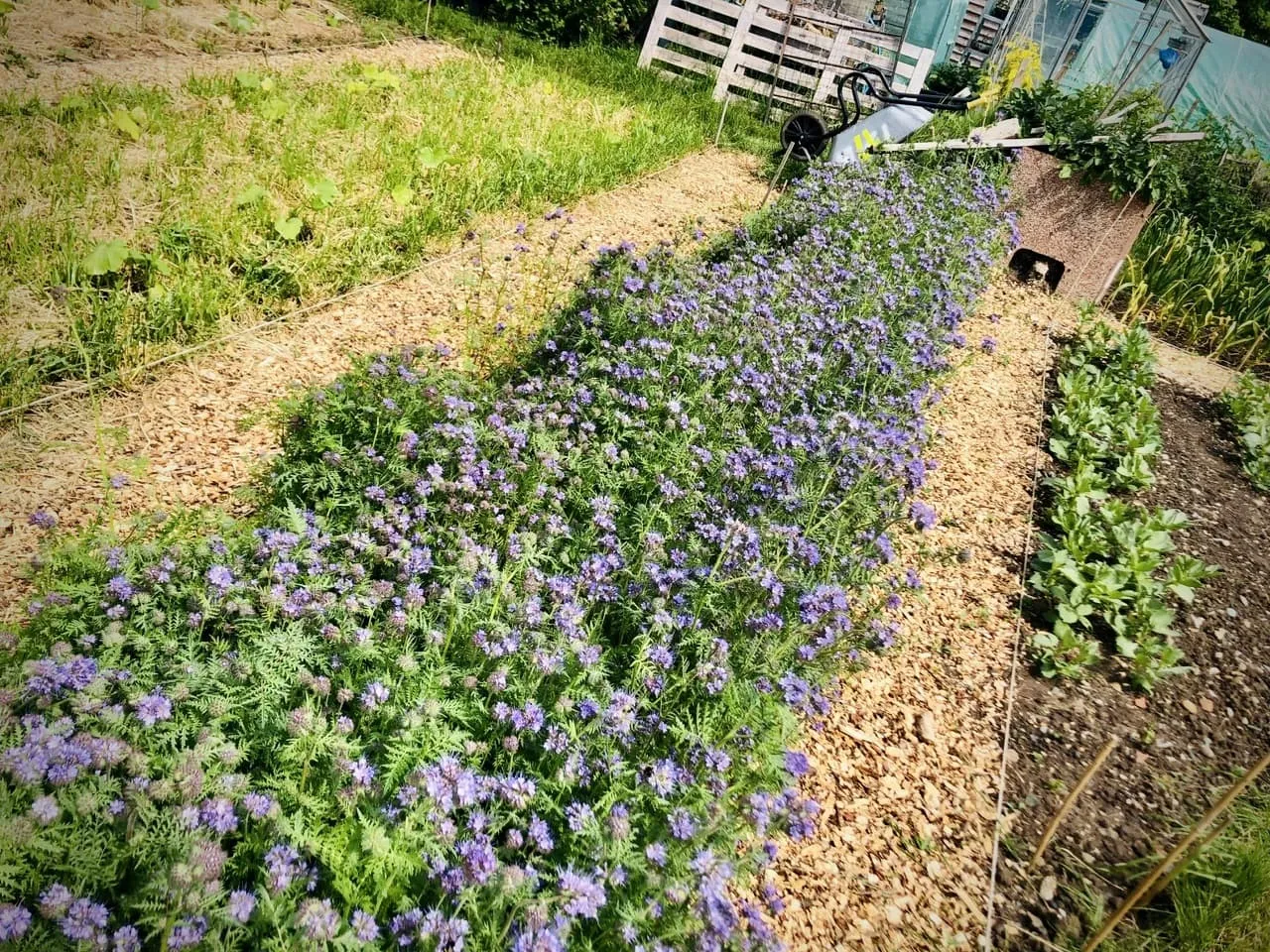
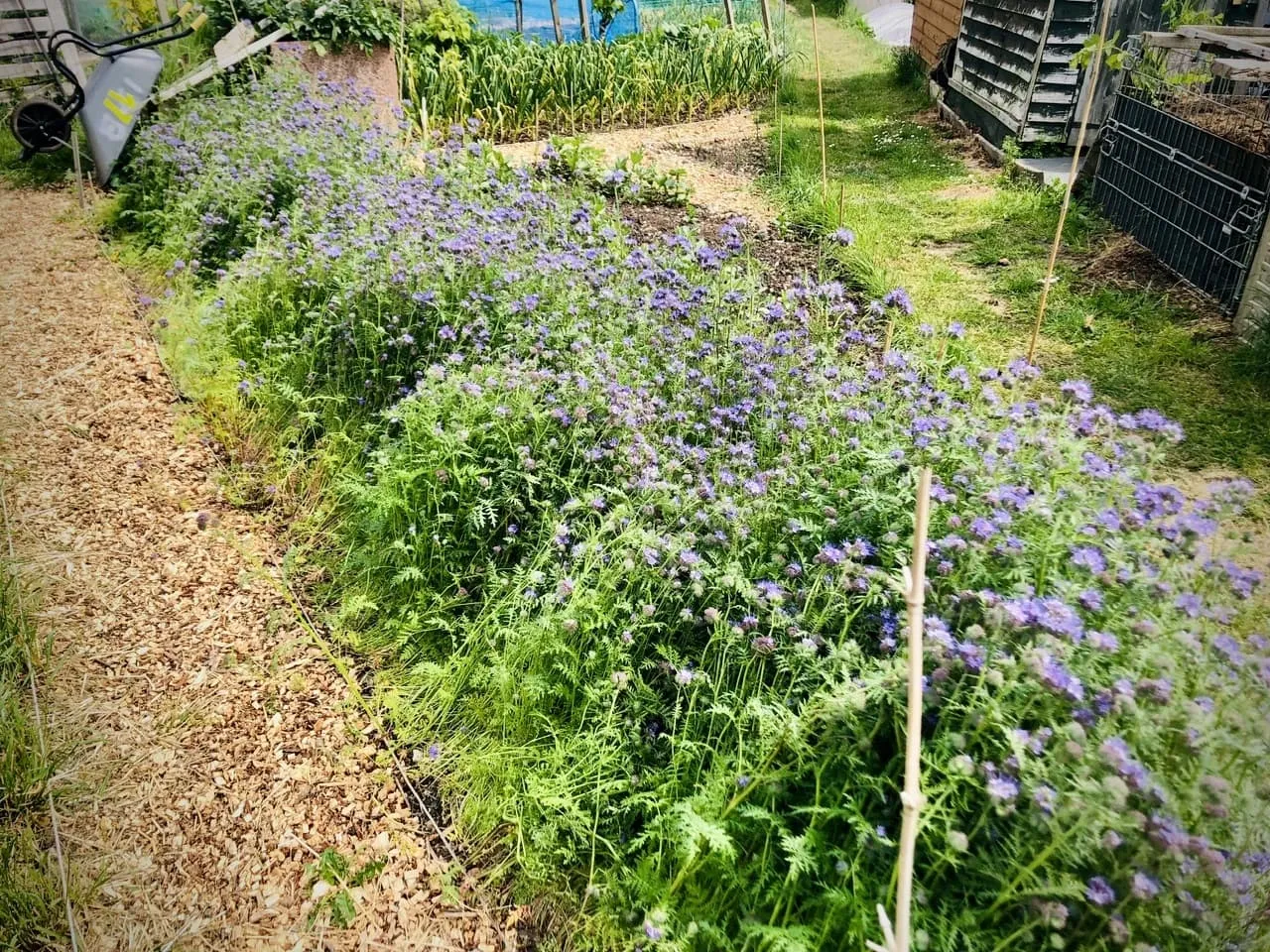
If your allotment doesn’t get much manure in (which I know some don’t) then definitely start using Phacelia. Don’t leave your soil exposed, sow some, chop it up in three months, and repeat.
To Dig Or Not To Dig?
I don’t know. Obviously I’m not a climate change cultist and the releasing of “carbon” through digging is a load of nonsense but it does seem obvious that digging the soil isn’t the best thing for it.
There’s also the talk that digging with steel tools takes the electric charge out of the soil (if you’re aware of electro culture). If you want to buy me a nice set of copper tools then go ahead… I’ll gladly use them. Too expensive.
I think though, if you’ve any real experience of trying to grow, without a team of people, and access to an endless supply of compost or manure, then you have to dig but maybe that will change for me in the future.
"In the future digging will be deemed a terrorist offense. Don't believe me, keep watching..."
Digging is good for you! There are far too many fat truthers out there. Get stuck in, it’s proper exercise, will make you strong, and along with all the vegetables you’ll be eating you’ll be lean and mean in no time!
I do think that digging will be outlawed in the future as part of the climate change hoax, and depending on your site manager it may become very difficult to do any kind of digging without risking being booted off site.
In the future digging will be deemed a “terrorist” offense. Don’t believe me, keep watching…
Field Beans
These are another good one. They are a lot more work though, as it doesn’t seem like the best idea to broadcast sow them. I sow them in rows and it’s a lot of work. Our beds take about 700 seeds each - so it’s time consuming.
Obviously the mice tend to enjoy digging them up too as with all beans which can become frustrating, and we have issues with foxes digging them up unintentionally too when they hide stuff.
I think the foxes have been displaced by the data centre that’s being built (that will be spying on us all soon) and also by the Sunset Studio development. Funny how “they” can do as much digging as they want…
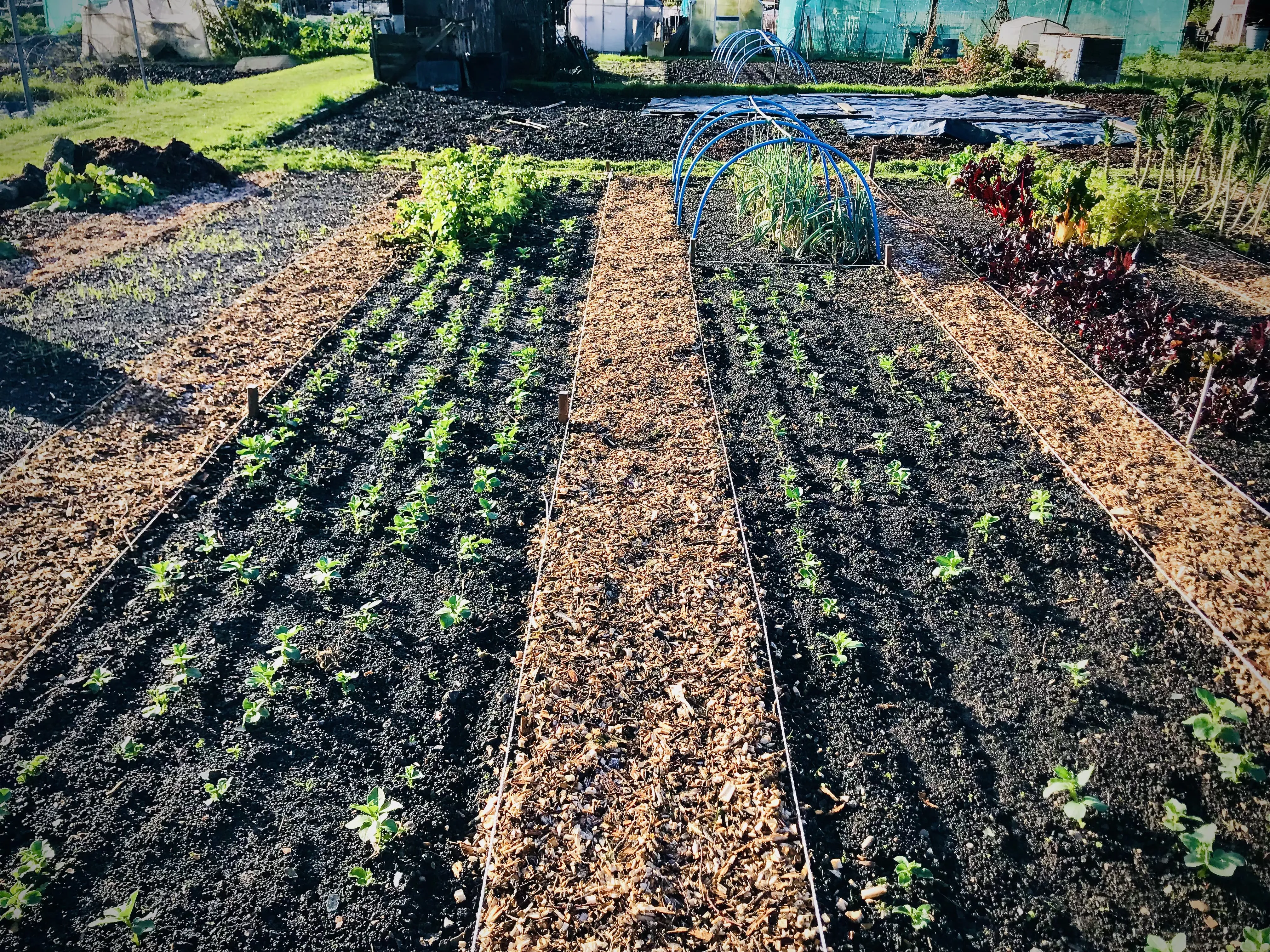

We kept sowing in the obvious spaces where the mice and foxes had messed our rows up a bit and we’d sown beans here as we knew our cabbages would be going in afterwards (Legumes > Brassicas in rotation).
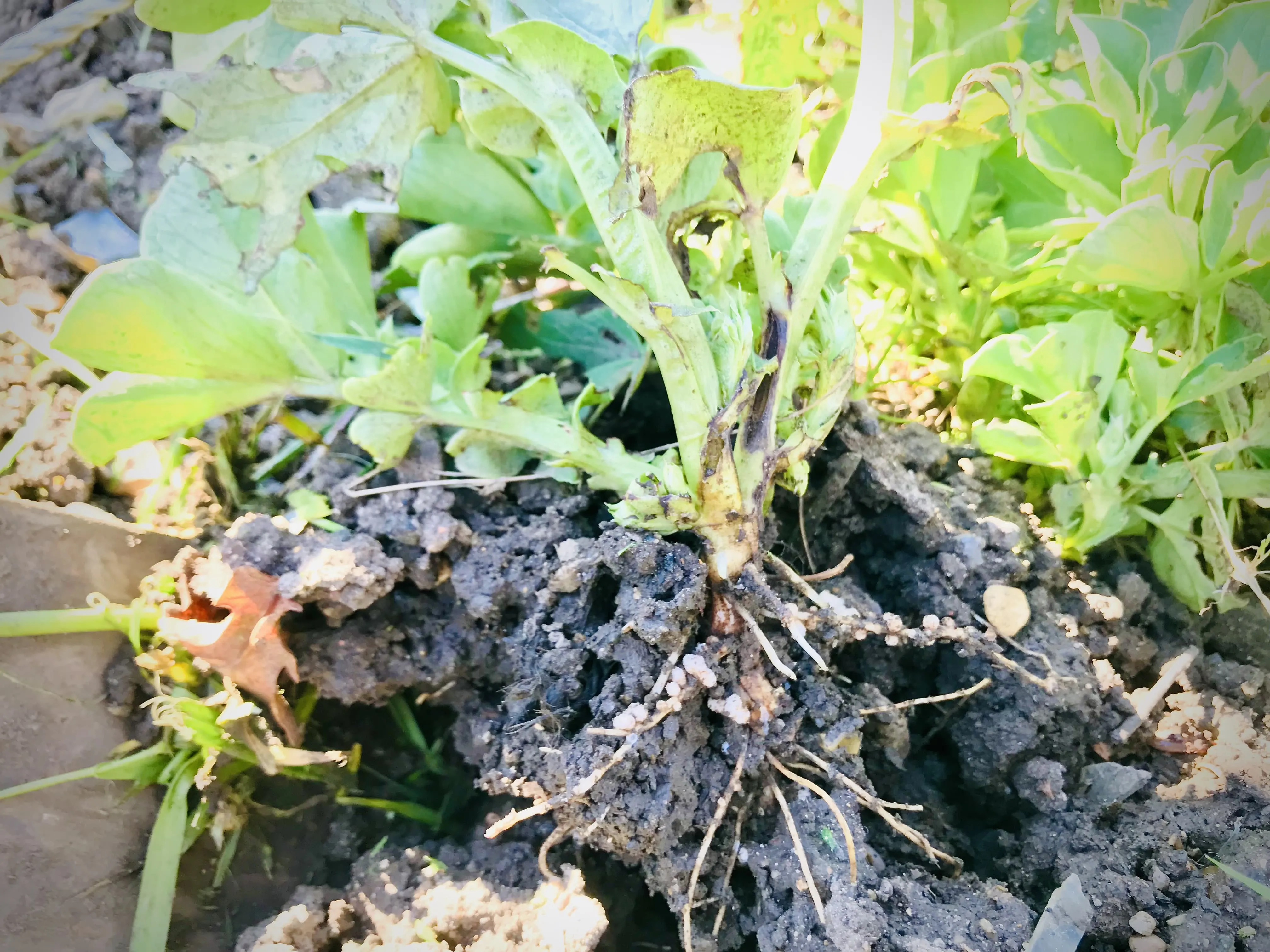
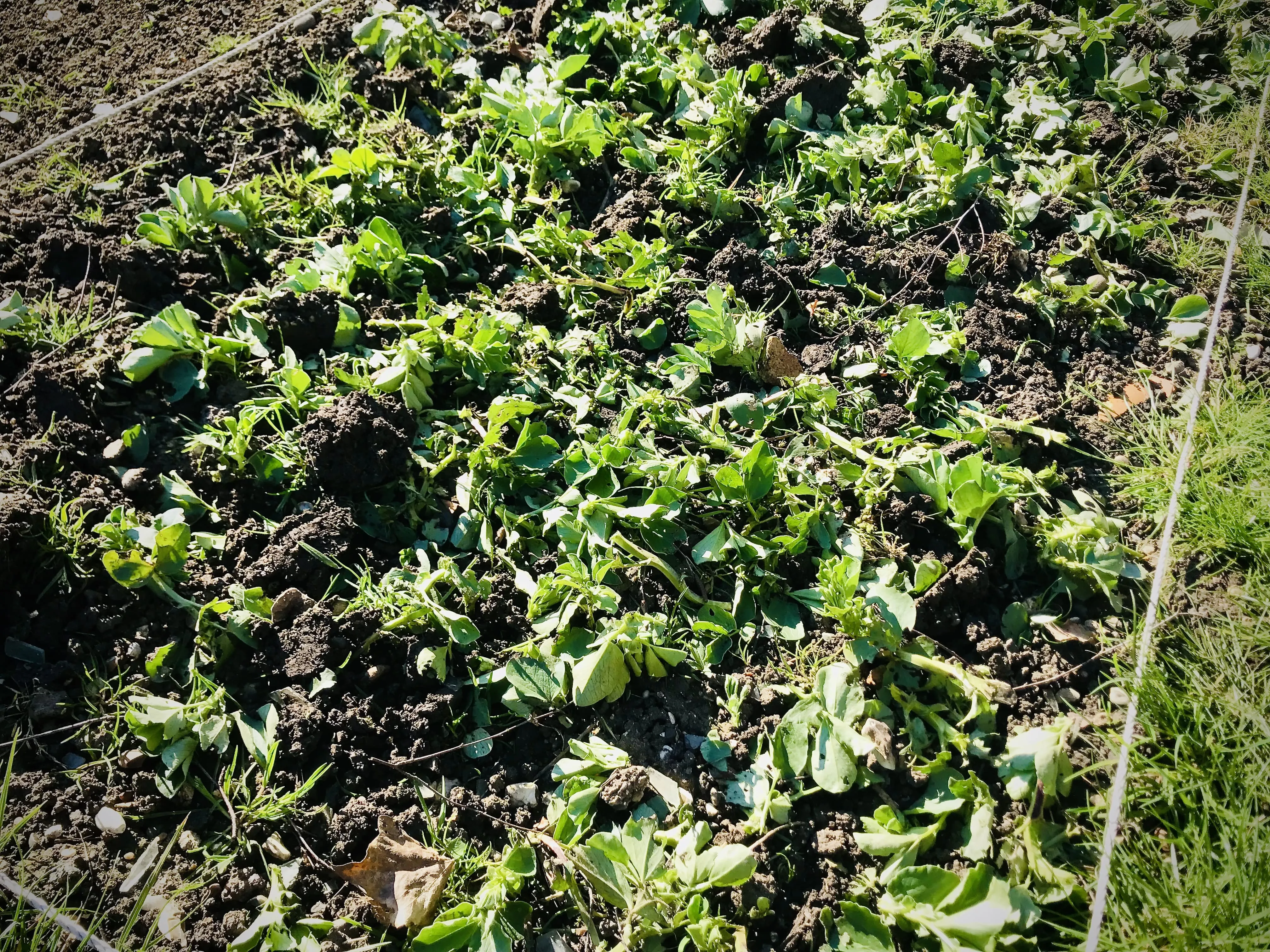
Again, this seemed to work as our cabbages did well in 2025. Once you’ve dug in the foliage they do disappear quickly but you know all that nitrogen is left in the soil for the cabbages to hopefully take on.
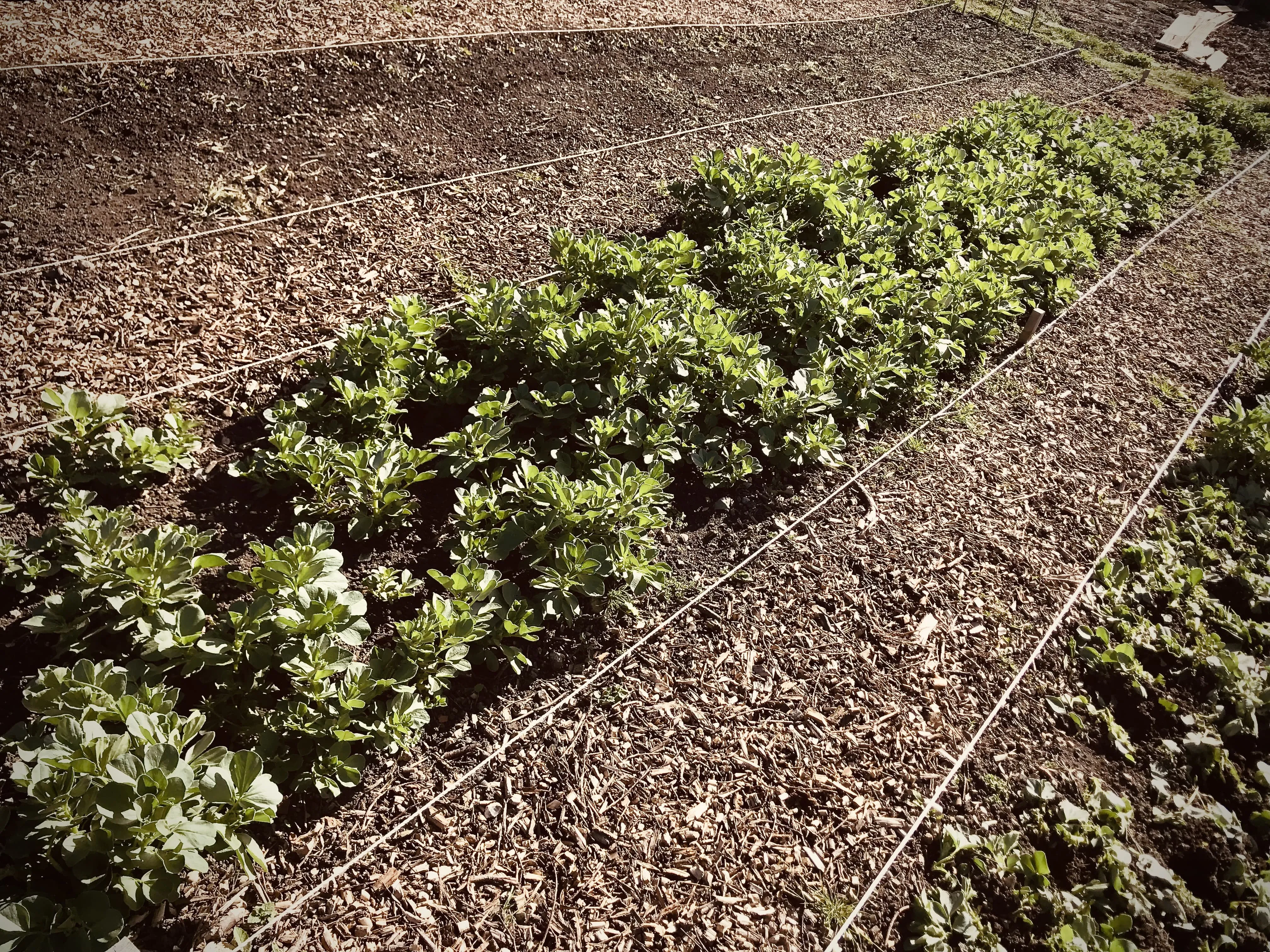
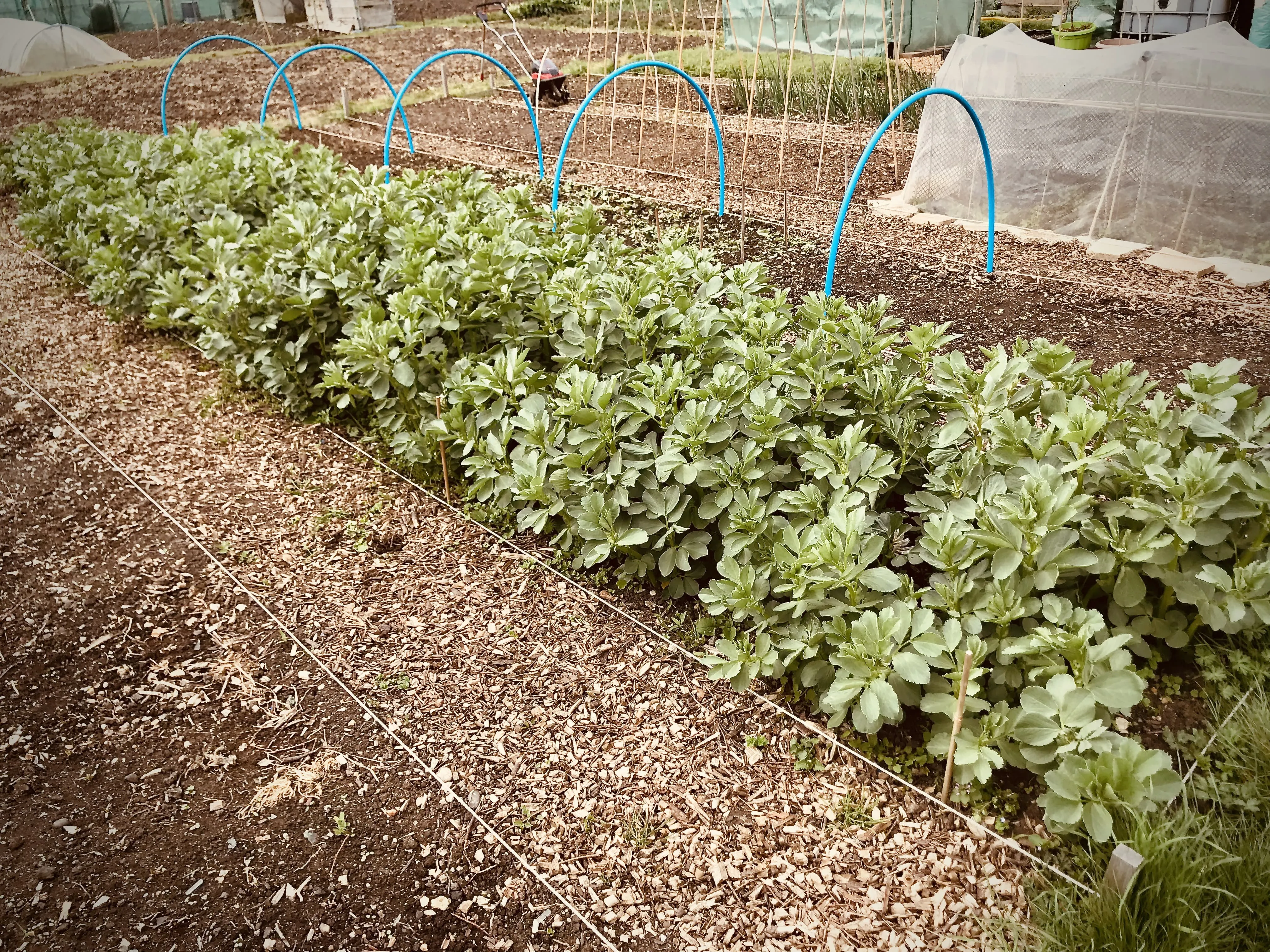
I like, and would recommend using Field Beans. I’ve sown a lot more in 2025 but they are more work if you’re planting them in rows. Seeing the mice eat them can be frustrating, especially if you like a tidy bed!
Italian Ryegrass
This was a strange one for me first time round. The soil on the plot we’re looking after is very poor, and I talked about it here. We have two six foot wide beds that I want to alternate courgettes and squashes in each year.
I was hesitant in using grasses as I’ve read and watched quite a bit about how they can be difficult when it comes to terminating them but went for Italian Ryegrass and one I know as Grazing Rye that has a bigger seed.
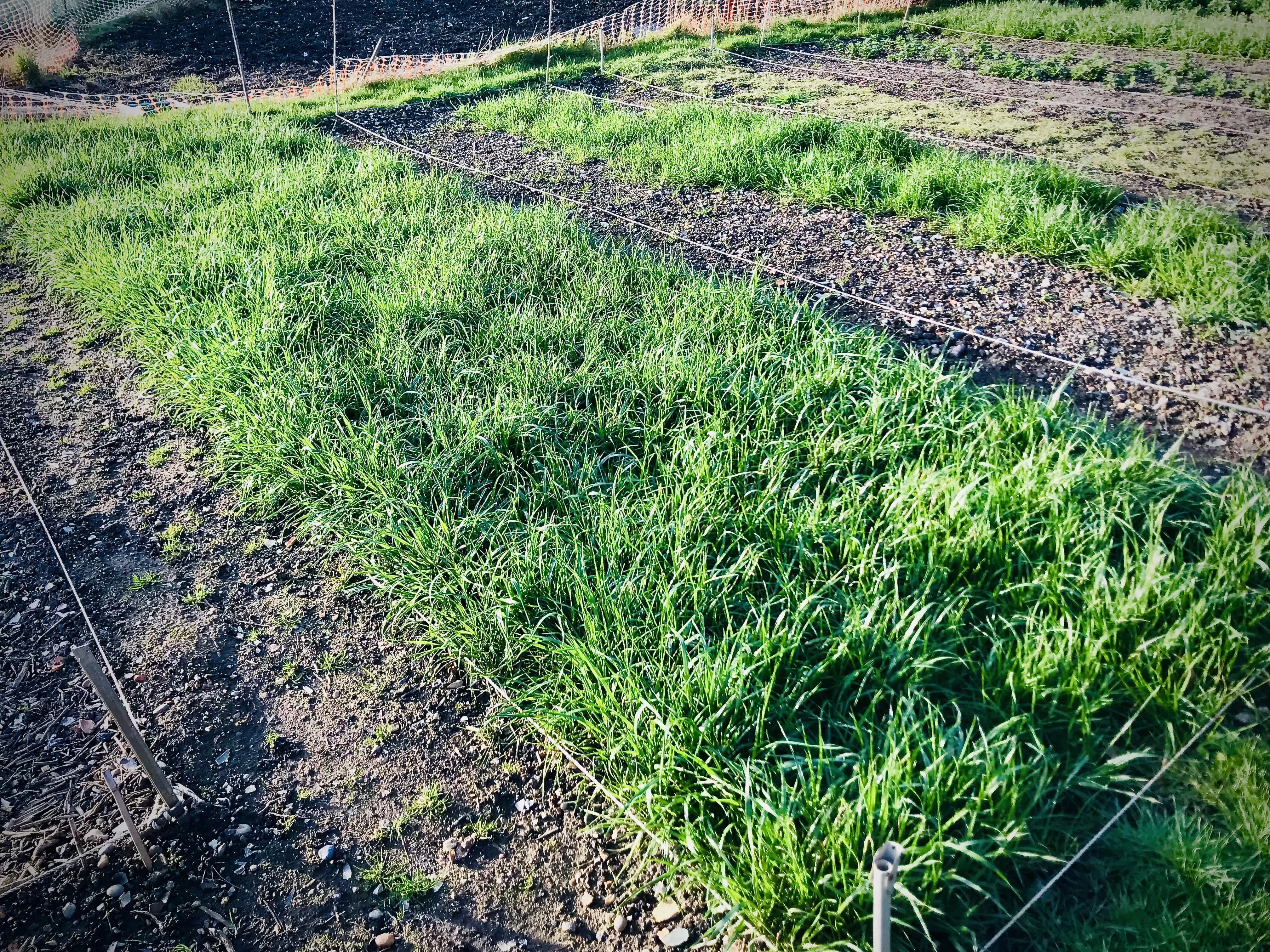
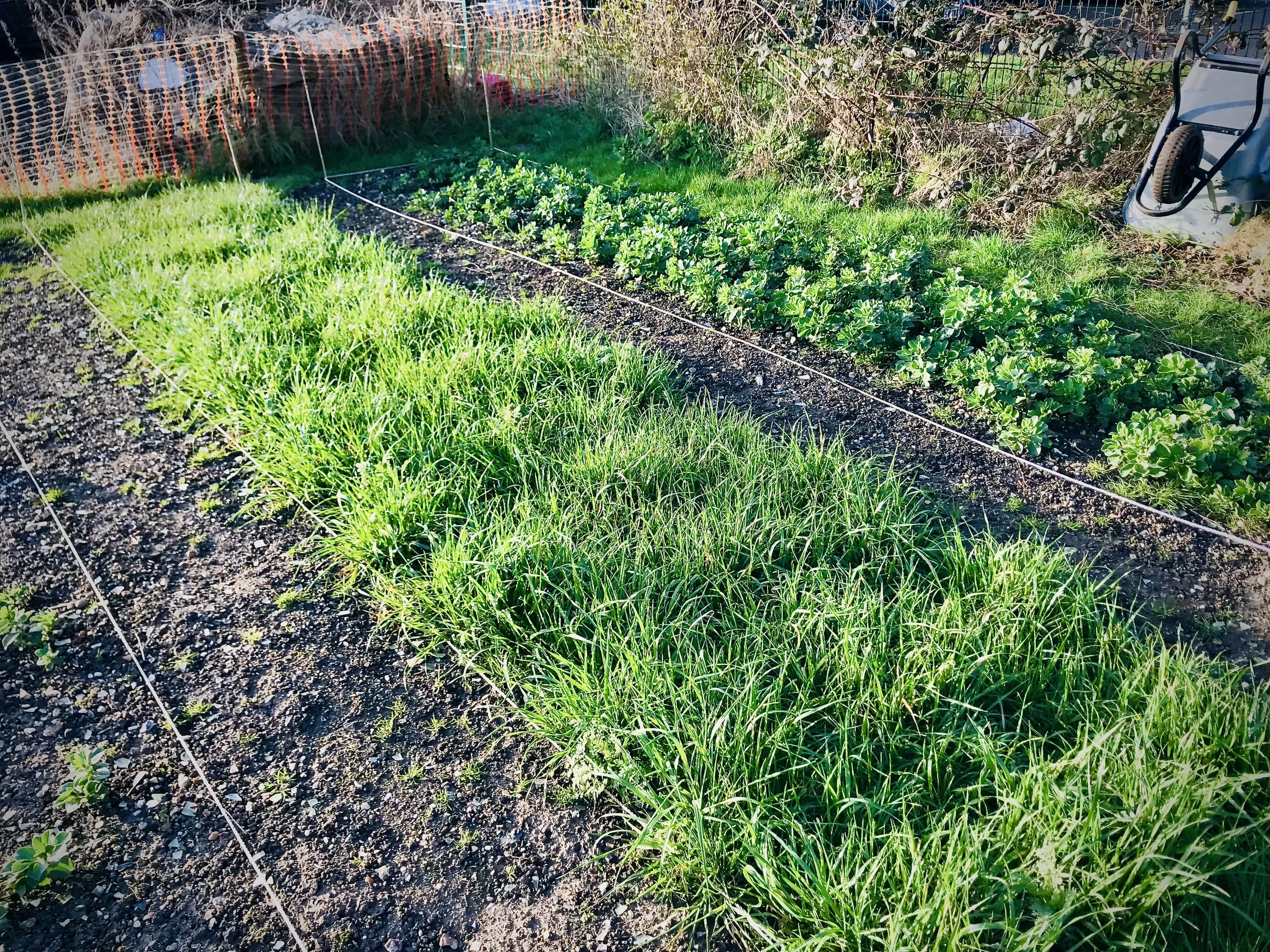
We had no luck germinating the Grazing Rye. I broadcast sowed it, raked it in really well, tamped it down and watered in but I think the seed needs planting deeper. I did notice where it grew it was much easier to terminate.
I was really pleased with the eventual growth of the Italian Ryegrass. It was slow over Winter but as Spring approached it really did grow well and was waist height by May – it really was quite substantial.
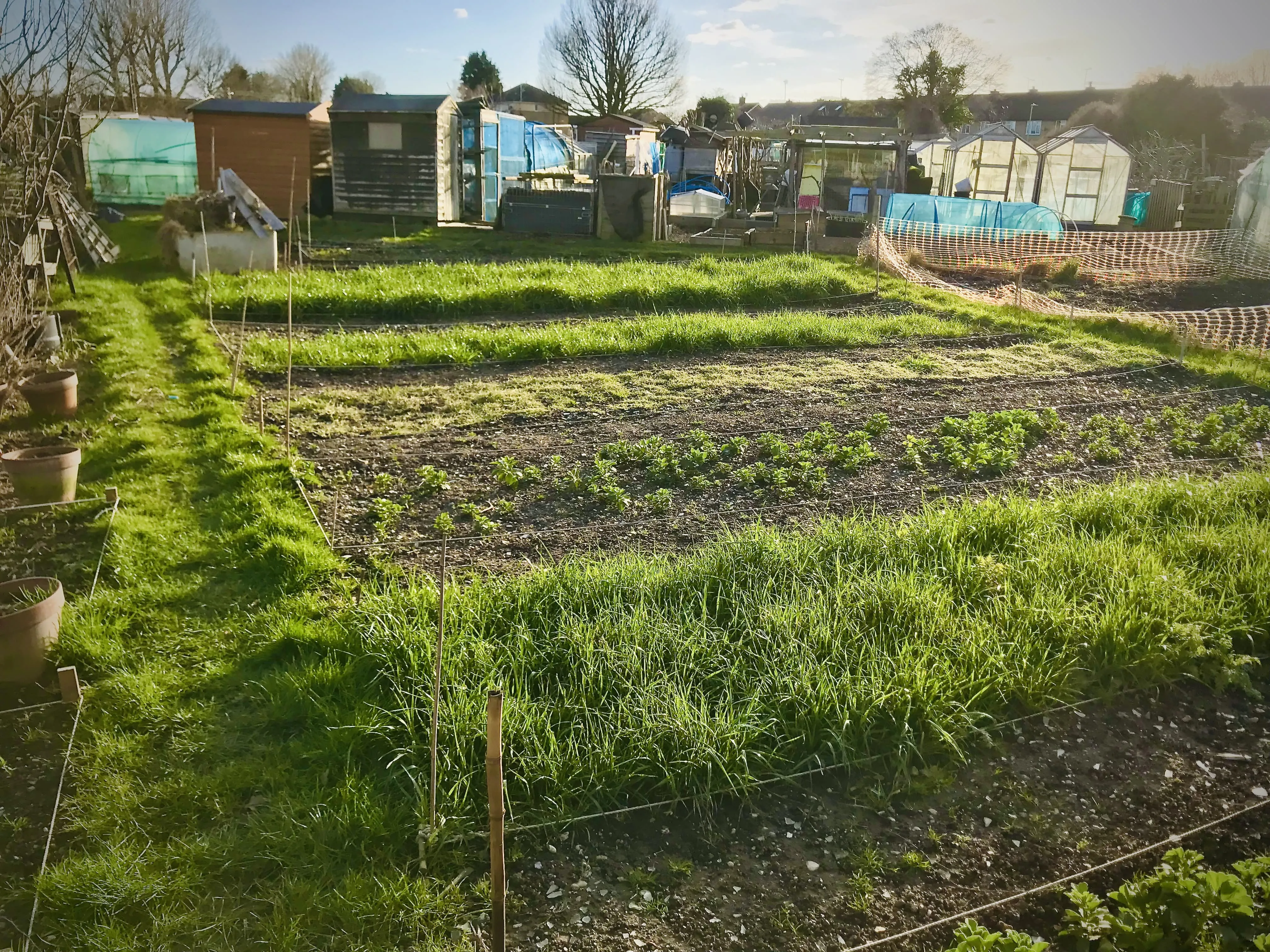
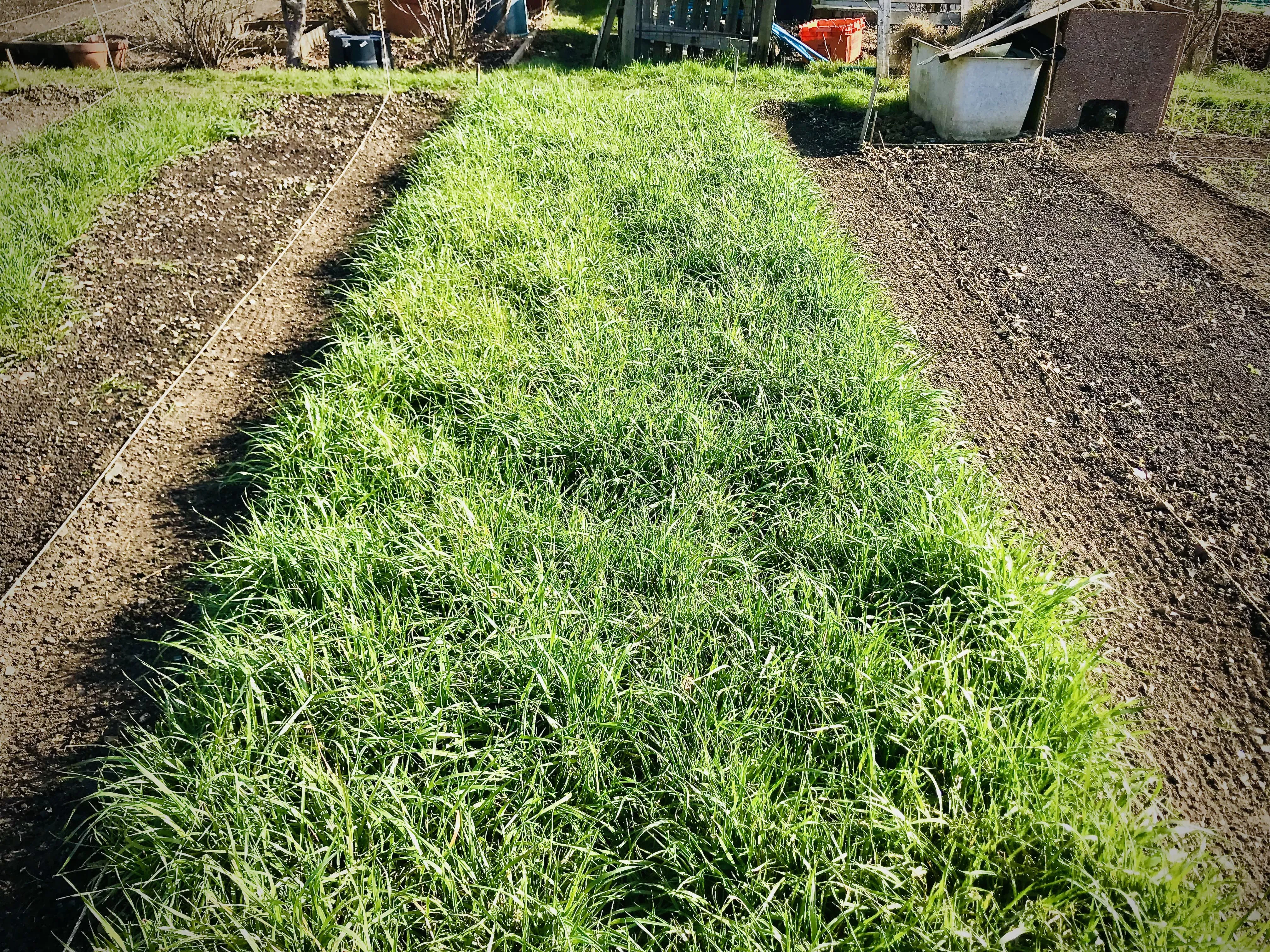
I have to be honest, when it came to “terminating” the grass, it was hard work. Partly because I did it on a very hot day, and the shears I chopped it down with broke on me! I didn’t want to use a strimmer.
It wasn’t that bad though, it didn’t take too long. Once it was all down I chopped it into smaller pieces with a spade, and left it about a week to see what happened, with the intention of planting courgettes and squashes.
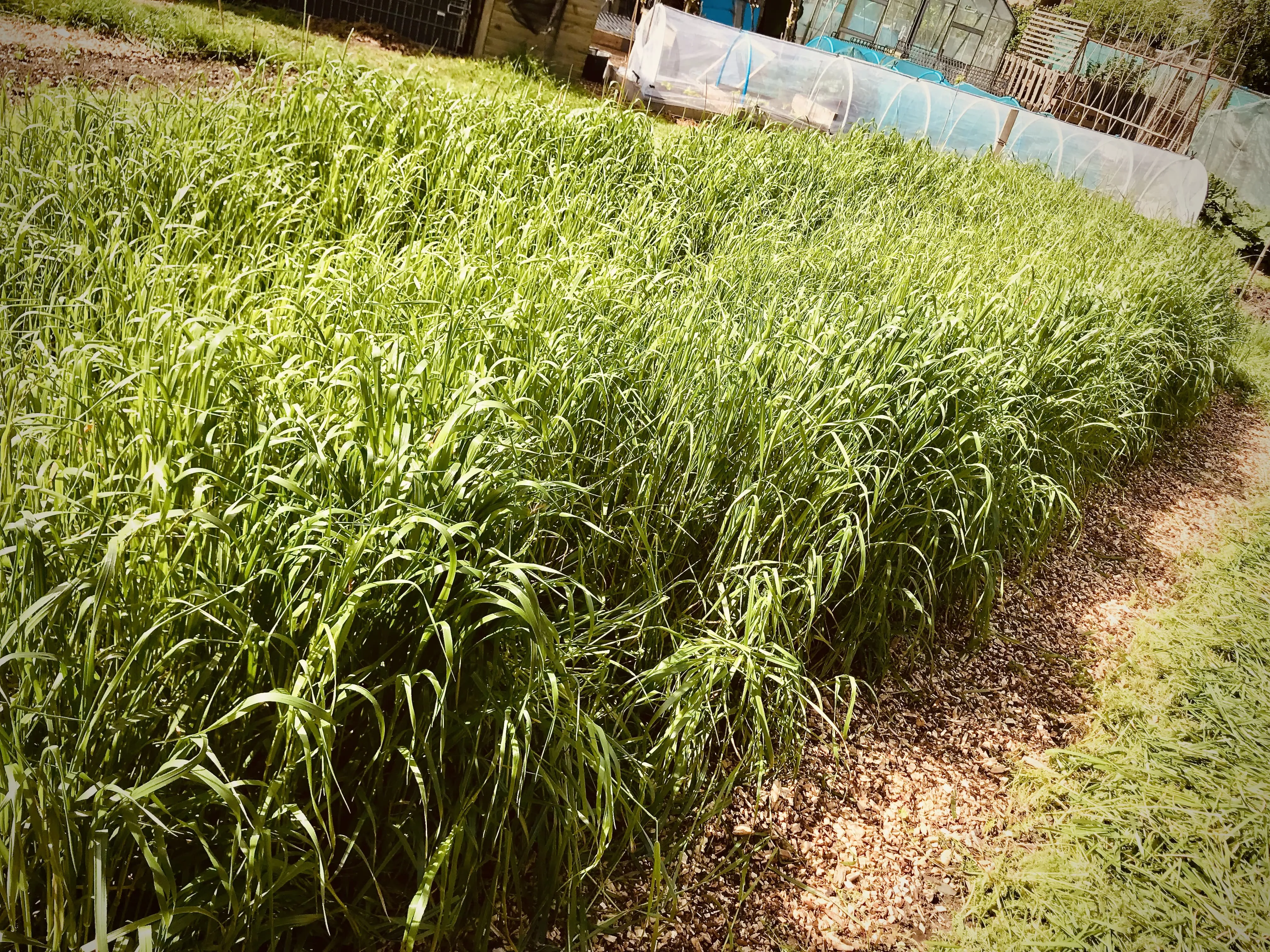
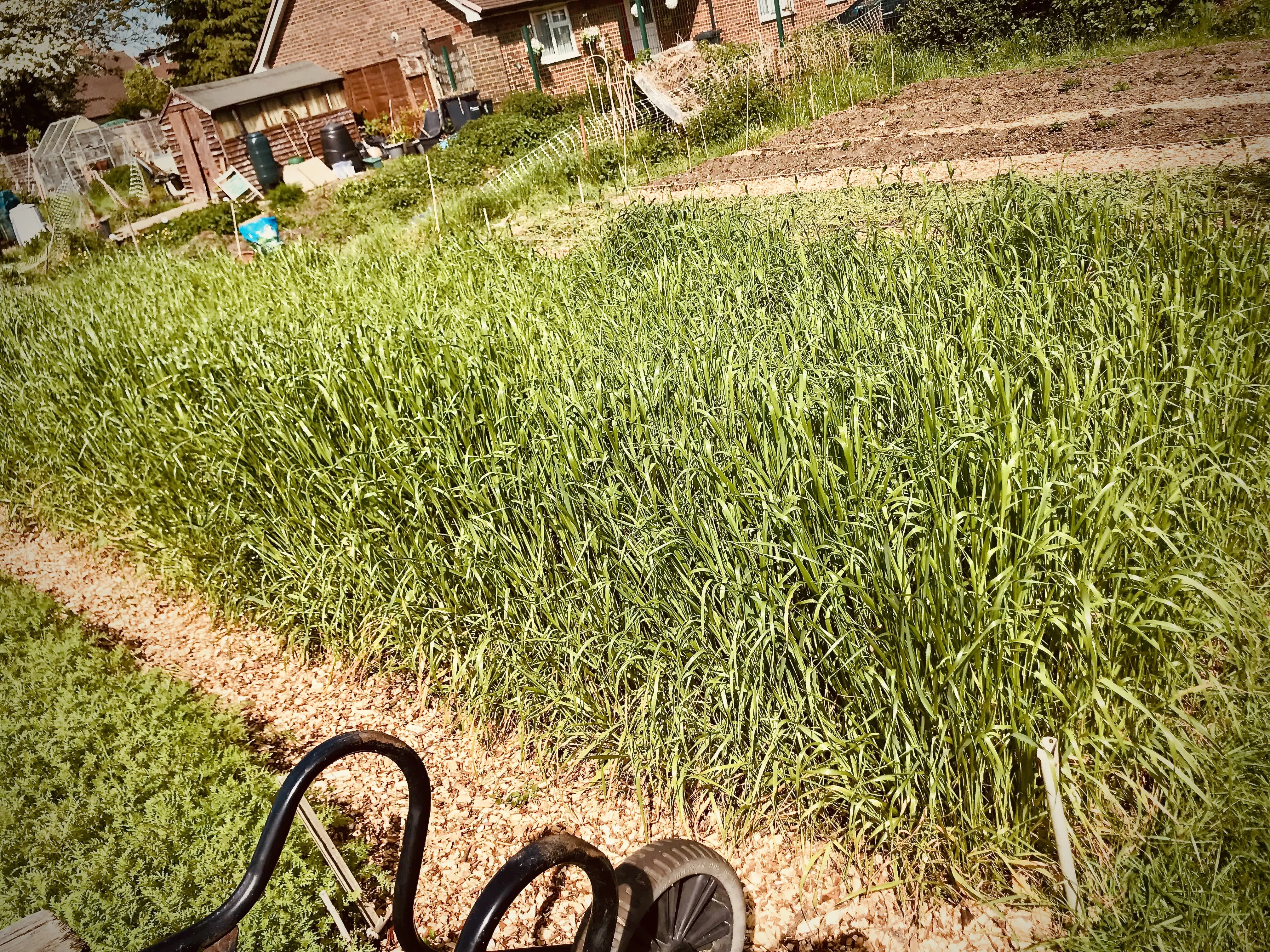
The grass didn’t rot down as I expected, and I ended up having to turn the clumps of grass over about 15cms but I found the grass soon started to decompose. I’d seen this as a suggestion anyway and will do this next time.
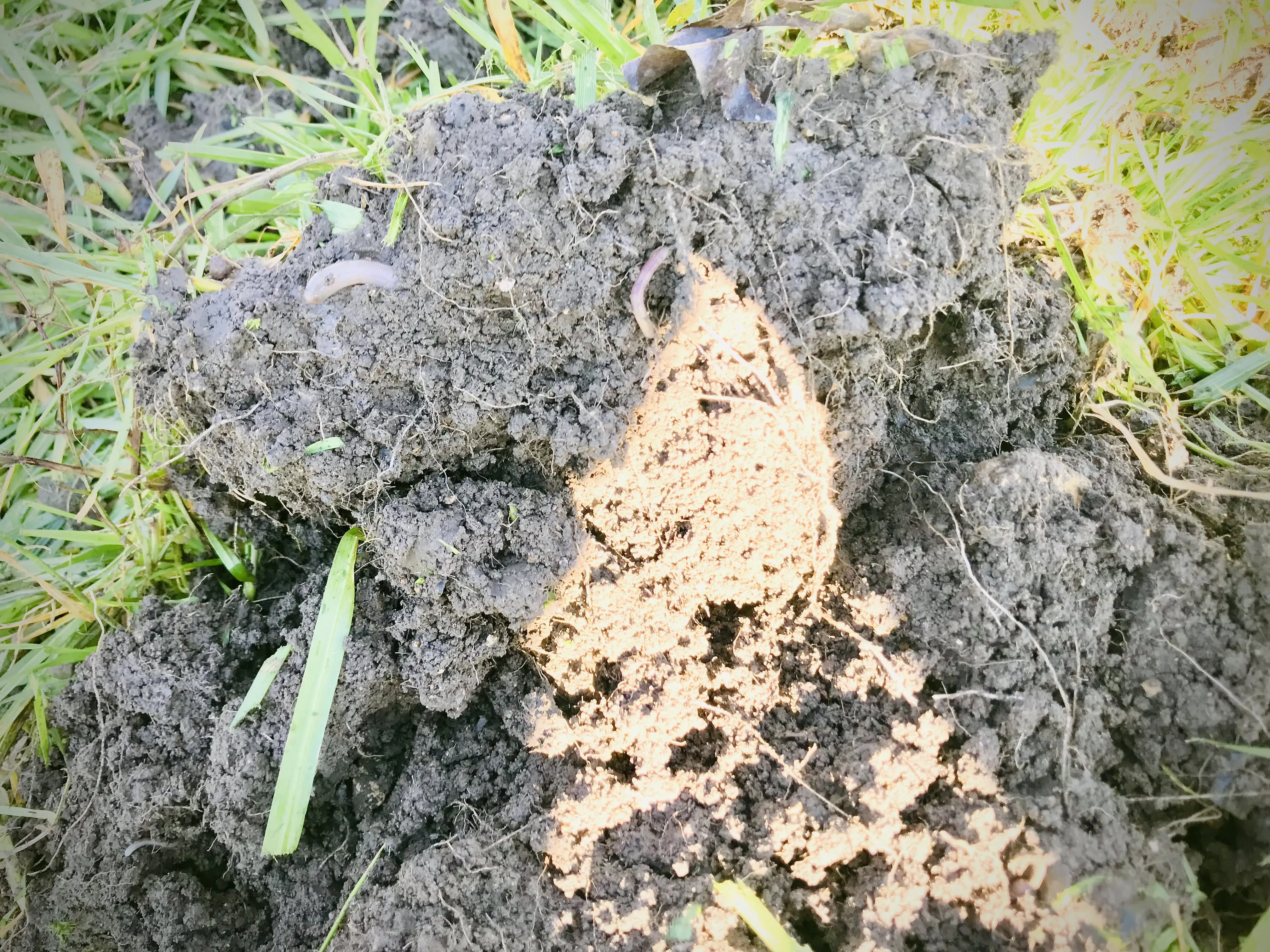
It gave me a good chance to see how deep the grass roots were, and after a week or so you could really see the effect all the grass and roots were having. The soil here is so dry but it had added a nice texture to it all.
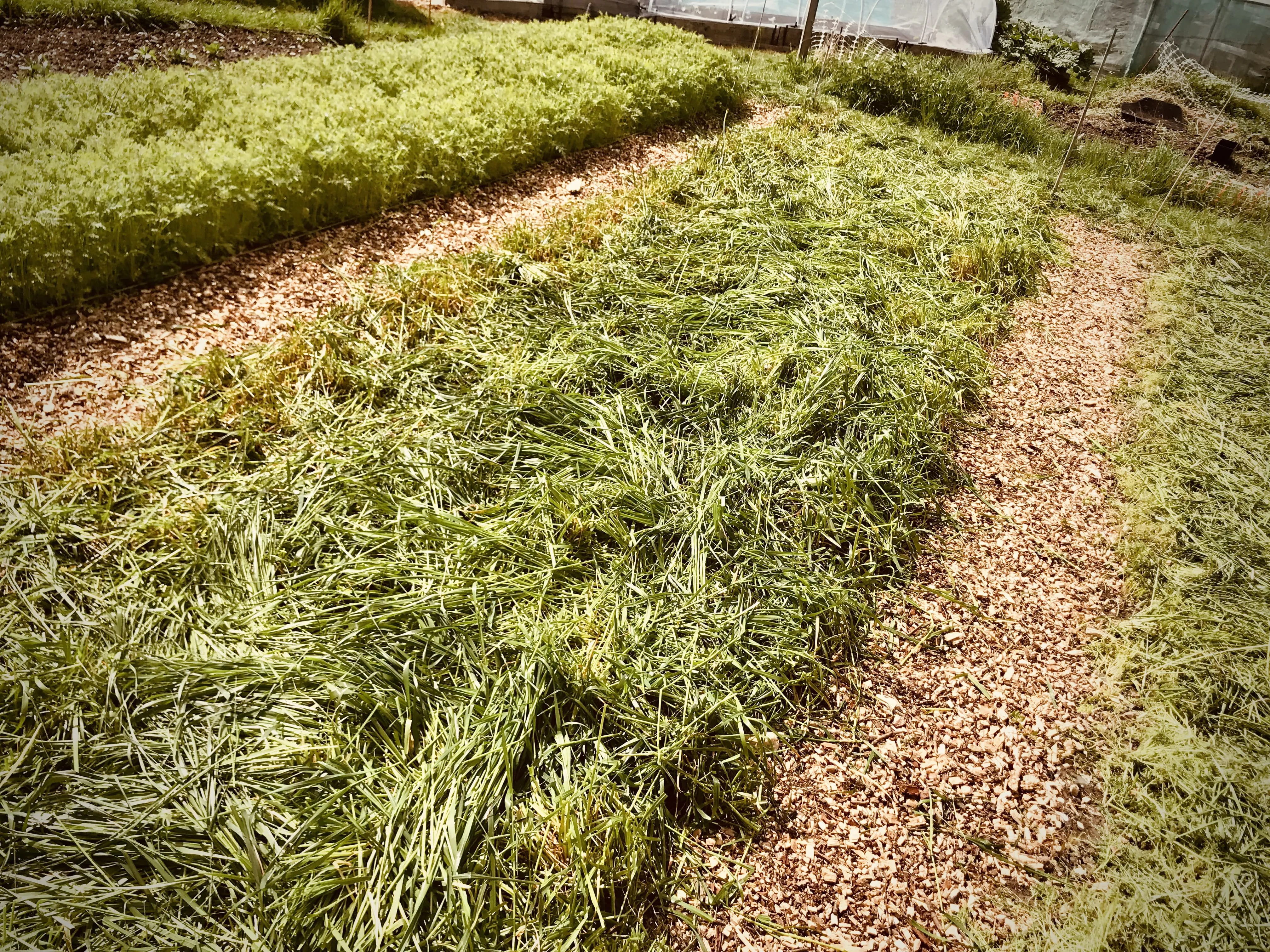
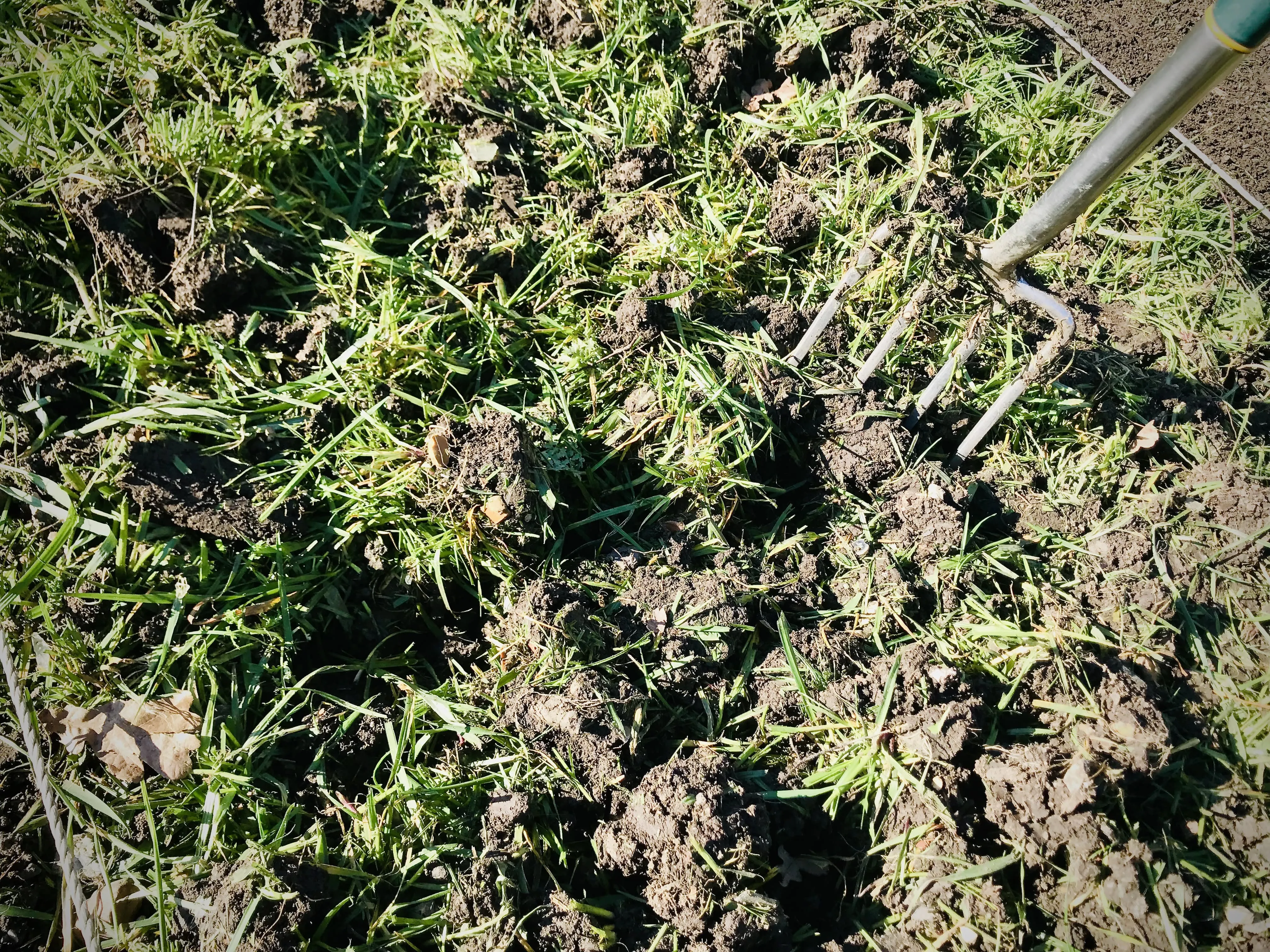
At the time of writing the grass has mostly rotted down and you can get a good chance to see the soil improvement. I want rotavate the bed again before I either sow a legume for this winter or put some manure on.
I would definitely recommend trying grass as a cover crop. It is more work, and I think you have to go back over it once or twice to work it in, and terminate it no less than five weeks before you want to plant anything in.
Crimson Clover
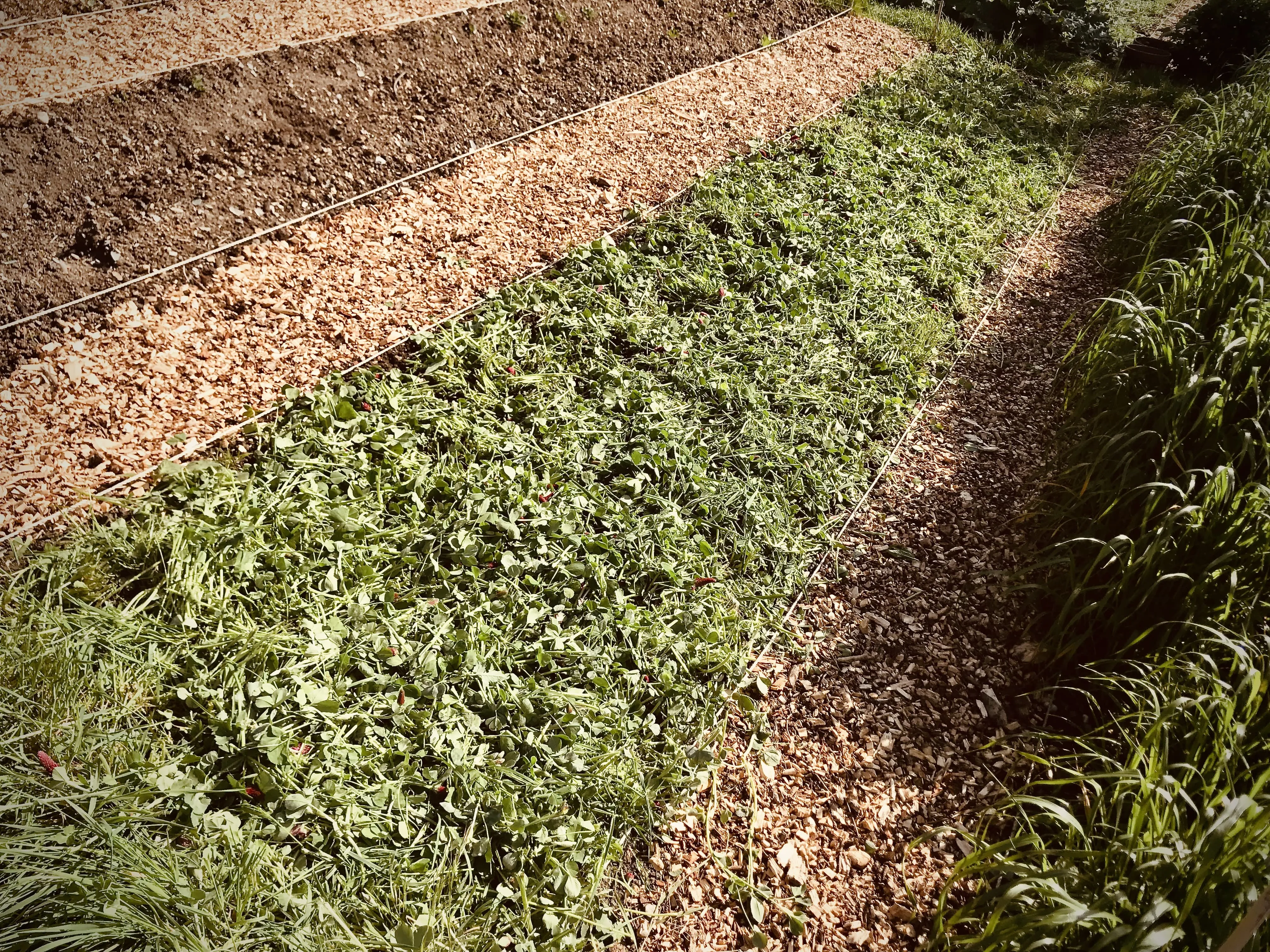
I’ve only tried this on one bed, and I sowed it too late in the year which made me think it hadn’t really germinated. I toyed with digging it over and sowing something else but I left it to see what happened.
As Spring approached it started to flourish and I was pleased I left it in in the end. It grew quite large and I finally ended up seeing its characteristic red flower. It doesn’t seem as substantial as some of the other cover crops.
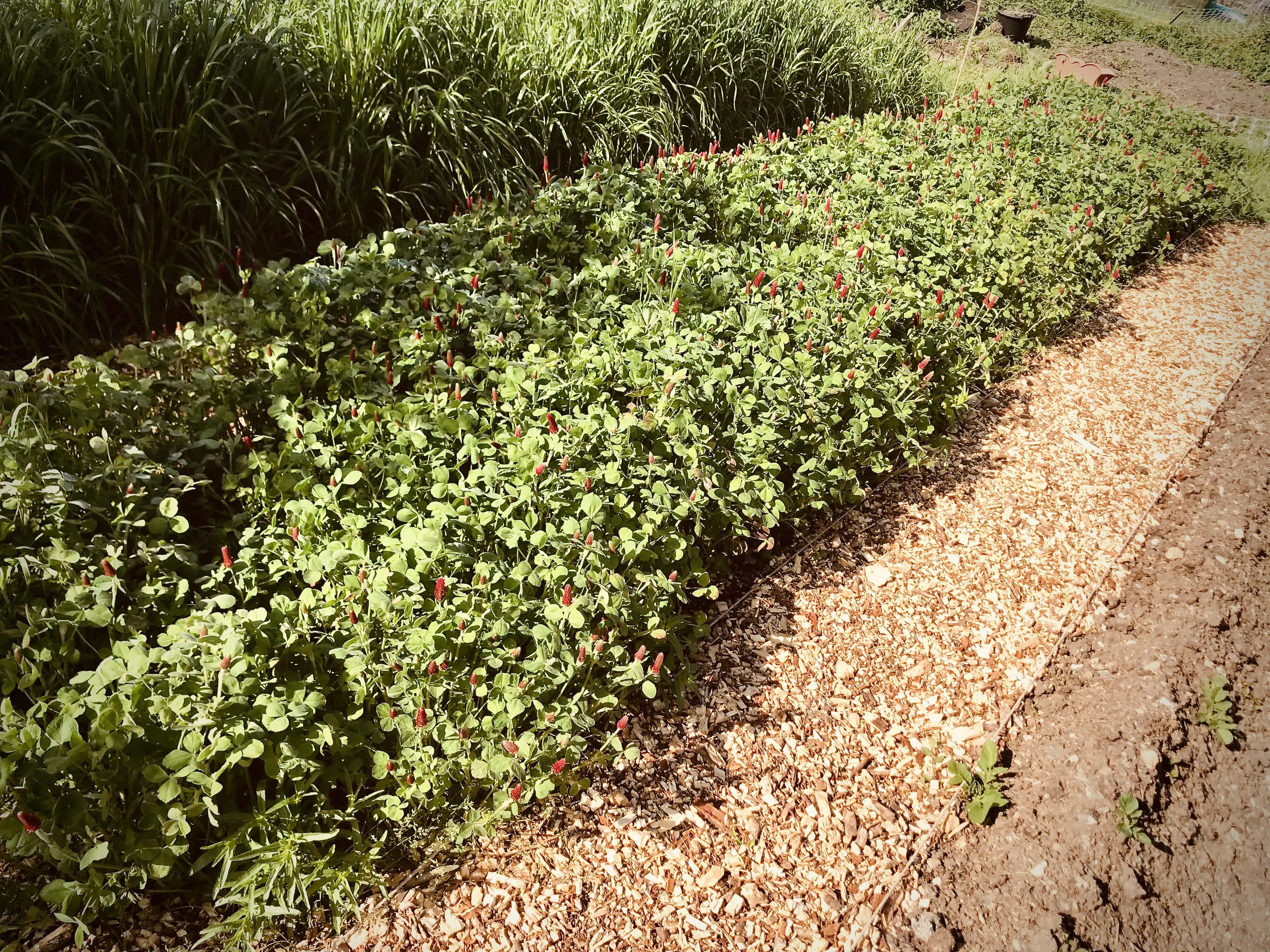
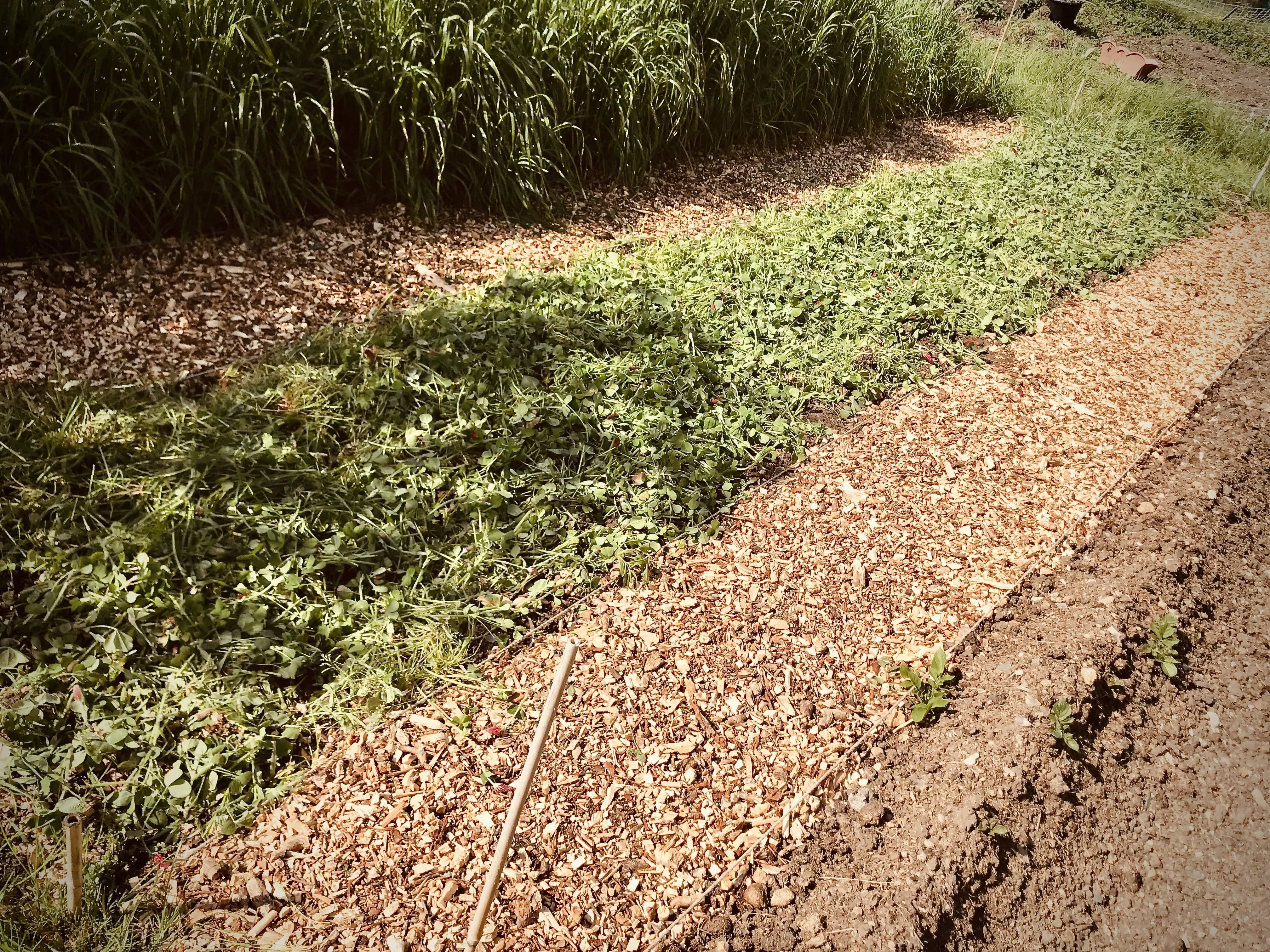
It fixes nitrogen and the corn we planted did well this year but it’s hard to know for sure how much the clover really helped. We left it on top as a very light mulch. This bed now has manure on it which will stay on top all winter.
I definitely want to try crimson clover again but I think it’s better suited to sowing in the warmer months so it germinates quickly. I’ll try it again on a section in 2026 when something comes out early.

Buckwheat
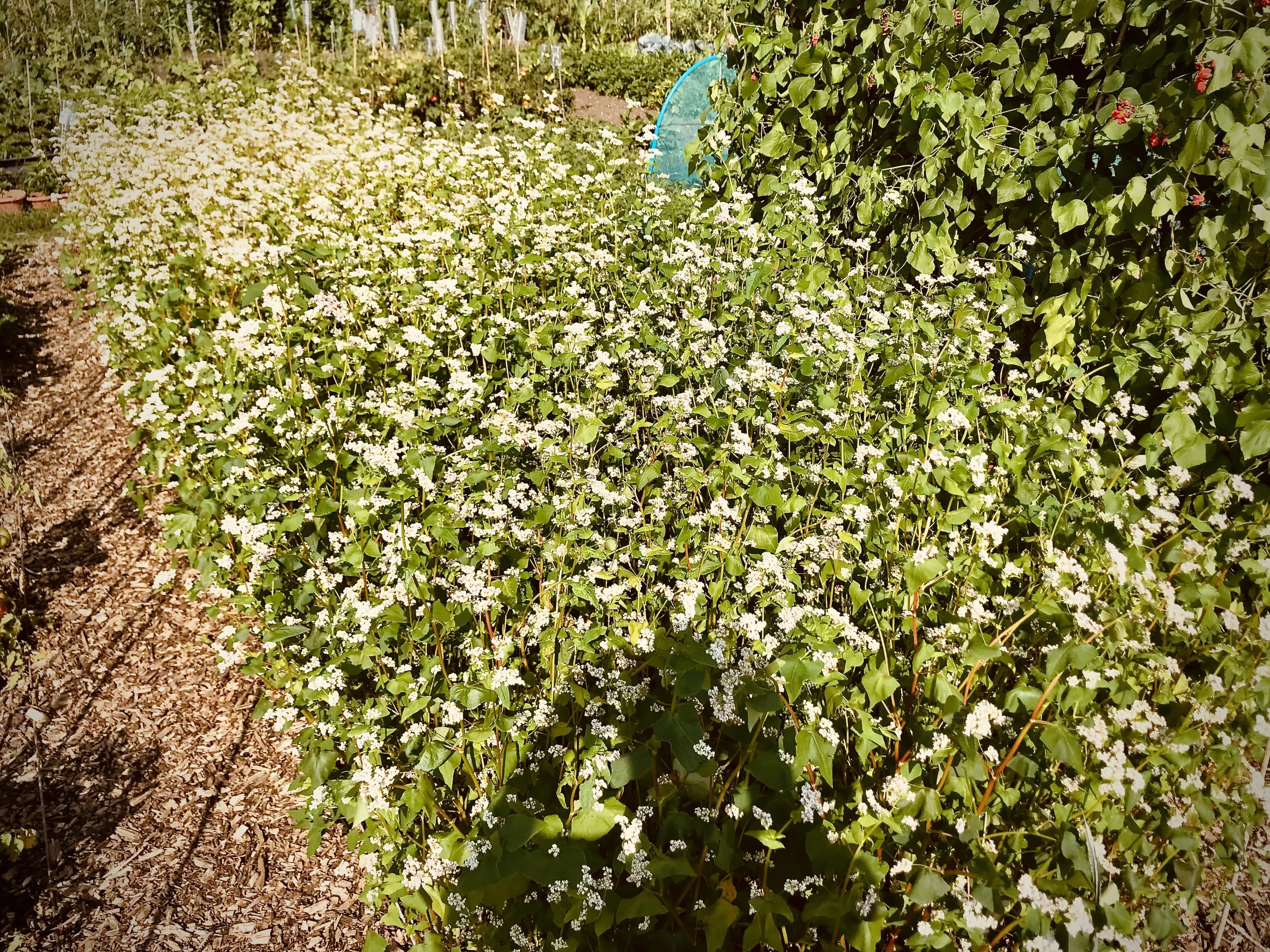
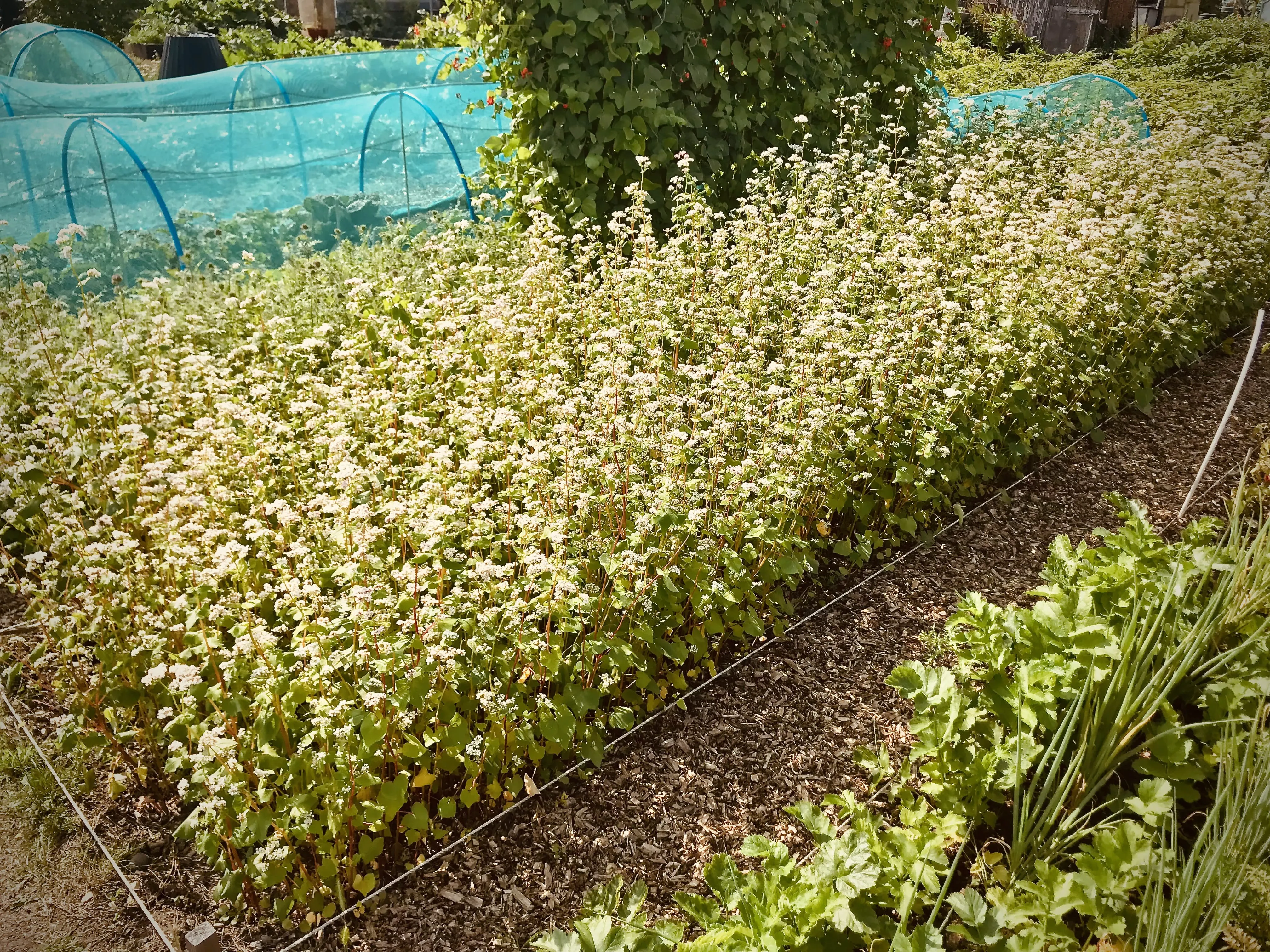
I had tried this in 2024 with mixed results and really wanted to try it again in warmer weather so I could see with my own eyes how it should look when it grows well. I planted it after our onions and garlic.
Buckwheat doesn’t fix nitrogen but apparently the soil has increased levels of nitrogen after using it. I just wanted to try it as a “quick summer” cover crop to see how it did. It certainly grew well - I was pleased with it.
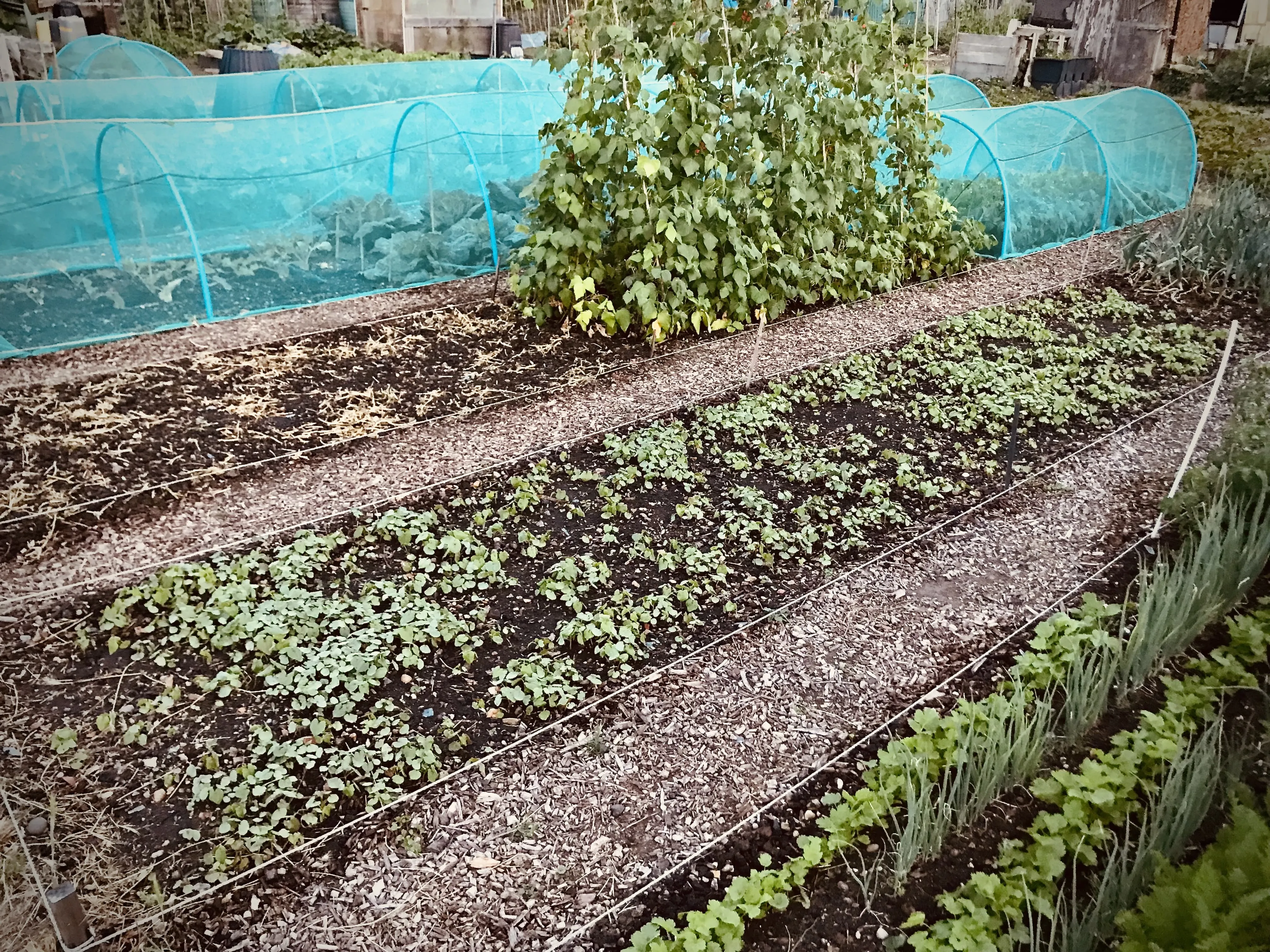
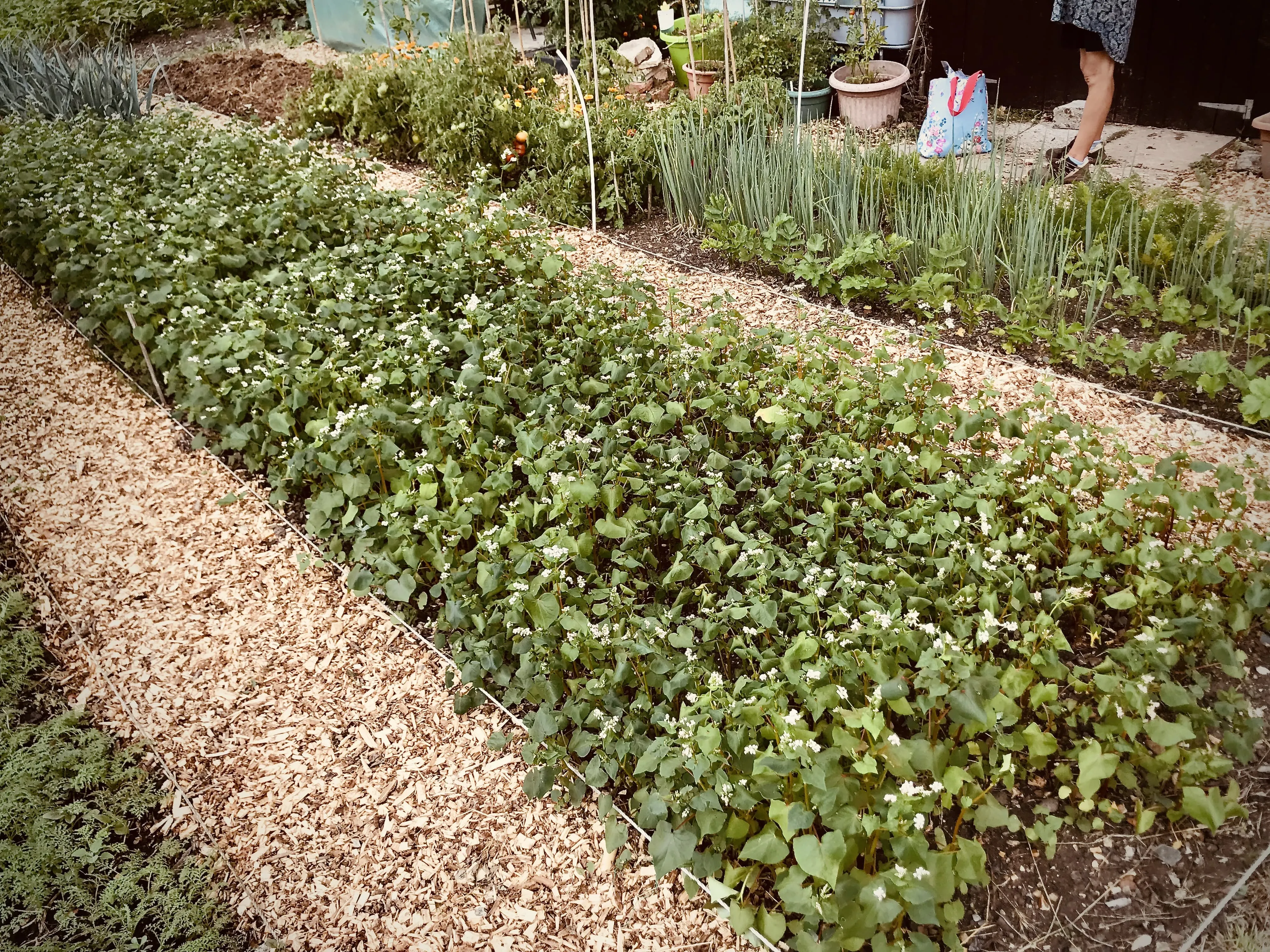
I broadcast sowed it in late June and it germinated very quickly - it was about six inches tall in no time. I’ve taken extra care when sowing to really rake these cover crops in, and tamp them down before watering in well.
Part of the bed was shielded by our runner beans and I did notice in the hot weather the more exposed buckwheat wilted near the end of the day but it soon perked back up after watering and a night time rest.
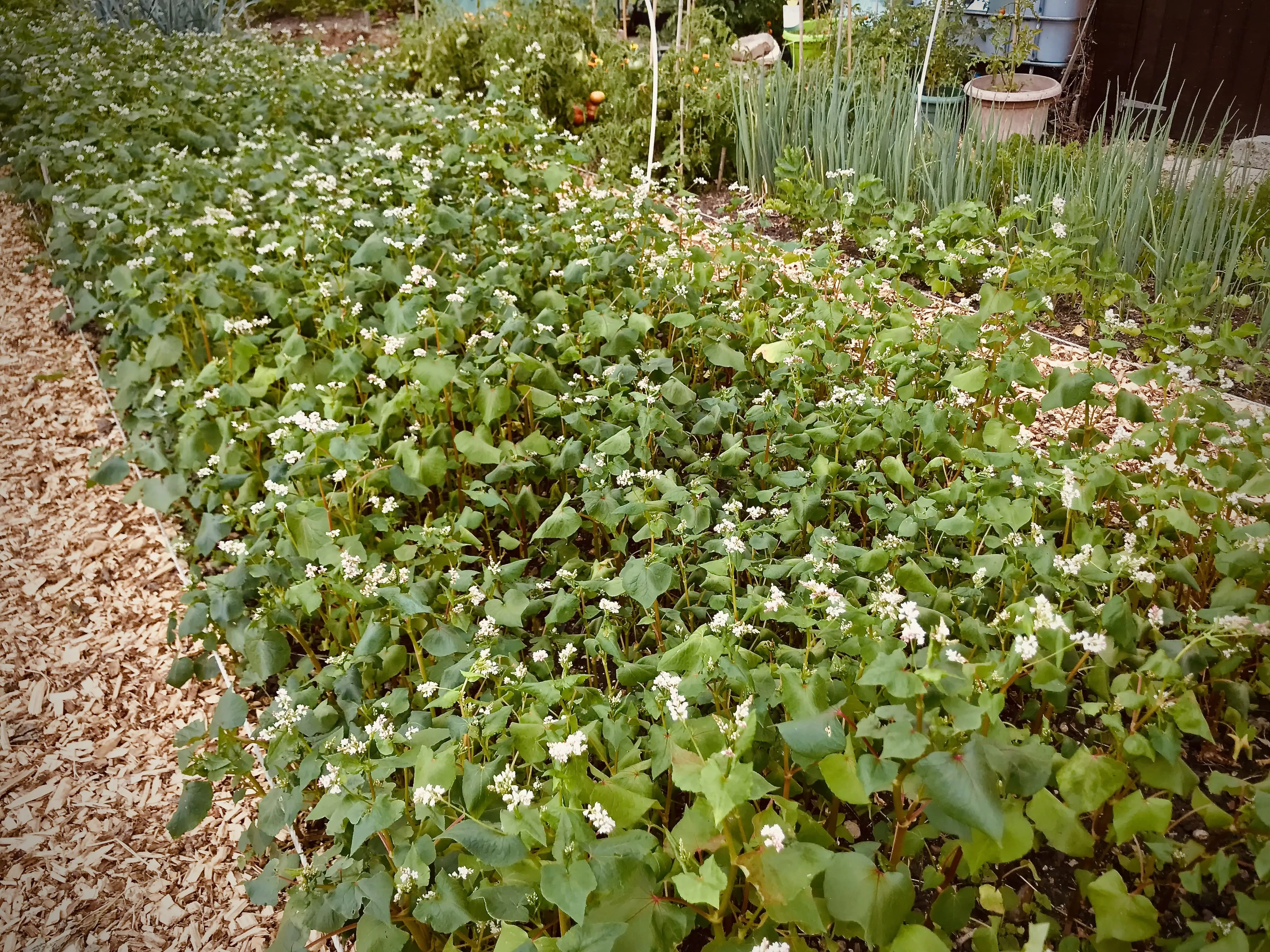

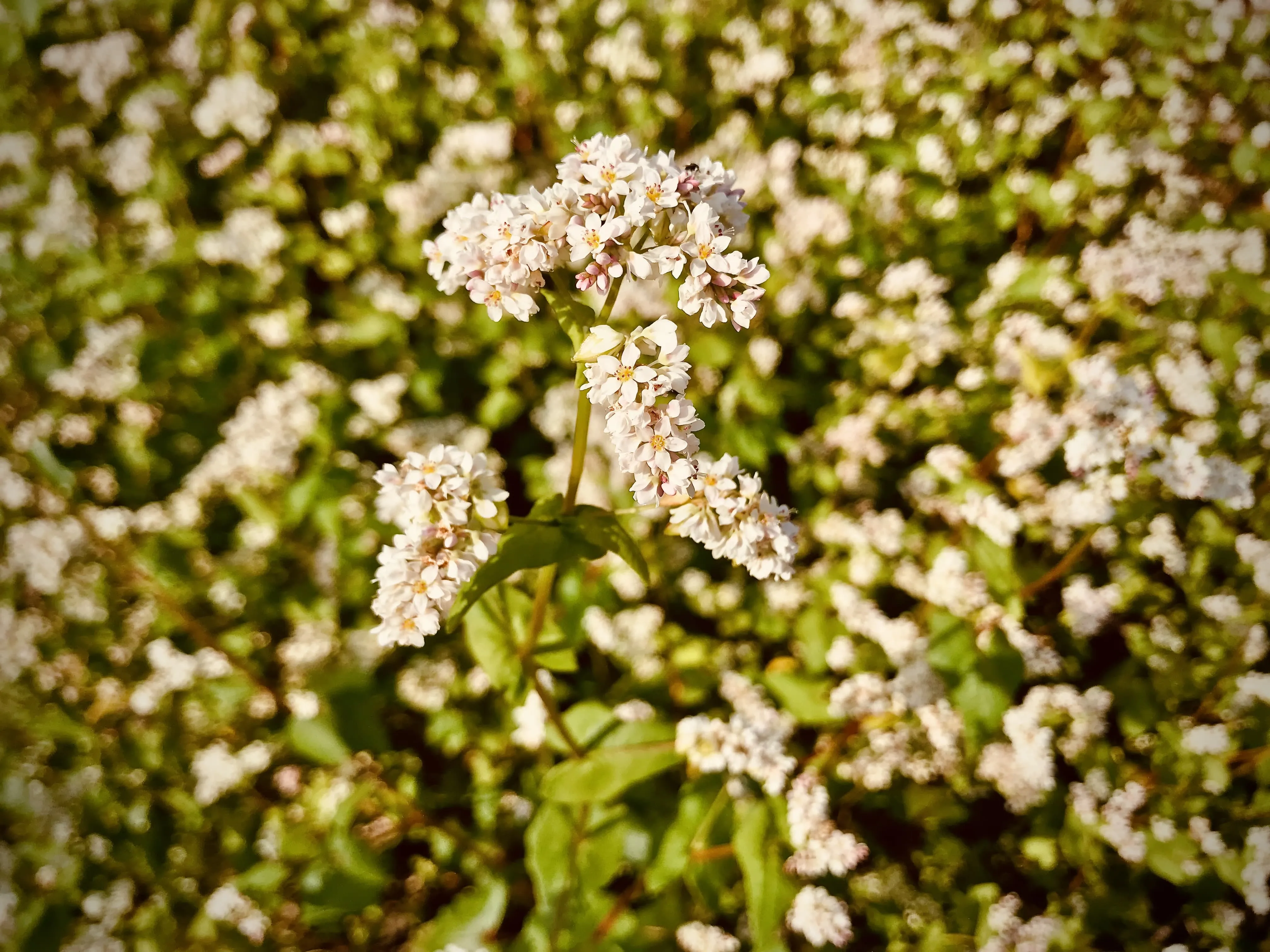
I was quite impressed by how much foliage there was, it’s not a dense as Phacelia but probably grows a bit taller and its flowers are quite pretty. It attracted plenty of Bees and other pollinators.
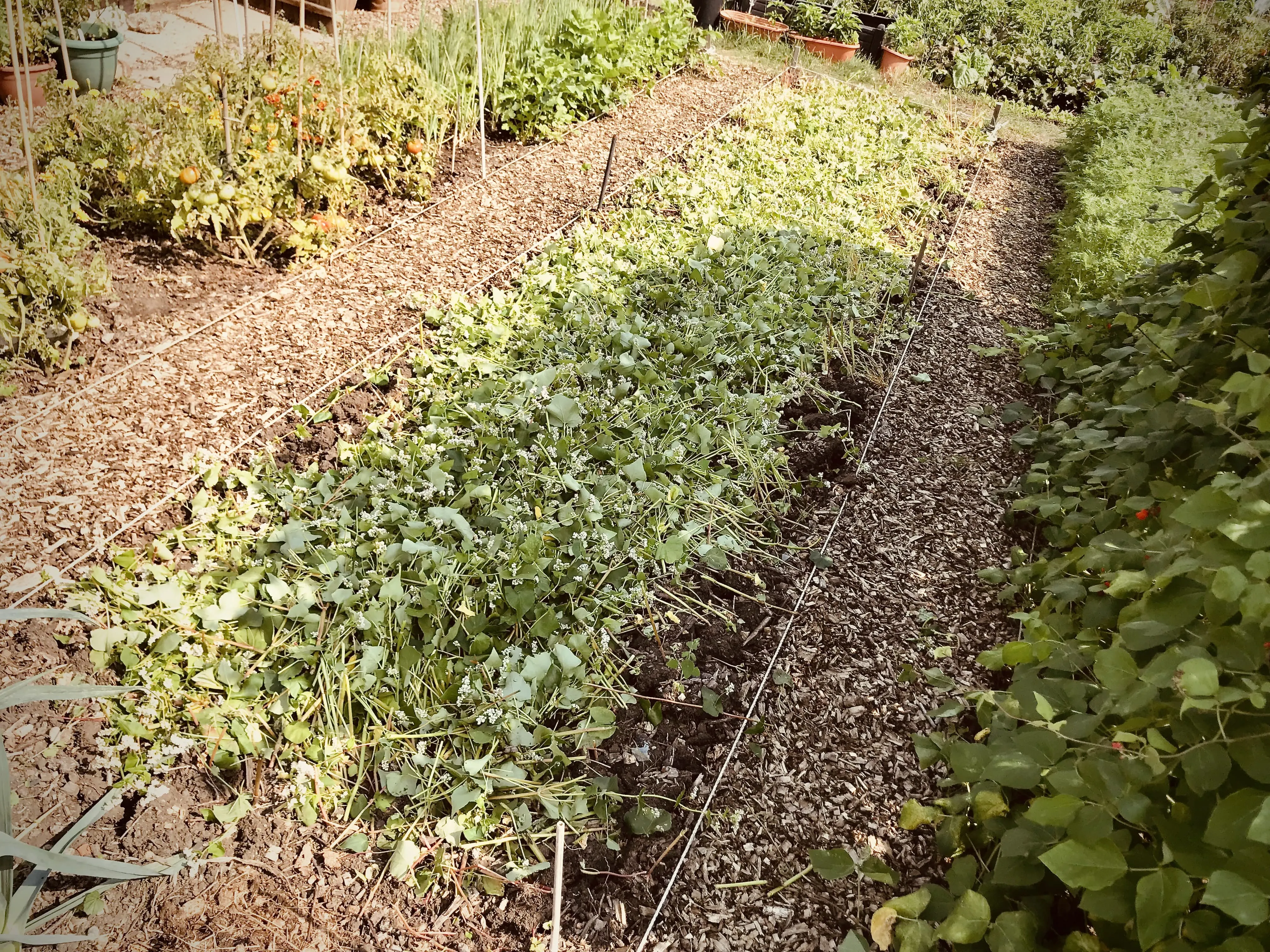
I left this in for about three months and cut it down in early September. It’s very easy to chop into the soil even though the usual guilt kicks in when you do it. I let it rot down a little bit before I actually covered it with manure.
At the time of writing I’ve just dug all this over and rotovated the manure in with the layer of rotting Buckwheat underneath. The Buckwheat just broke up to nothing as I did it. The soil had a beautiful feel to it when I’d finished.
I have now planted about 700 Field Beans into this for over winter to dig in Spring 2026 before our cabbages and other Brassicas etc go in this bed. I literally can’t wait to see how the soil is next year.
Conclusions
As I expect to use cover crops for at least five years it’s hard to draw any of my own genuine conclusions yet. I’m not confident testing the soil, and part of me doesn’t want to get like that with what we’re doing.
They definitely keep weeds at bay where you sow them, and clearly protect the soil from the elements, particularly in the extremities of the Winter and Summer. They certainly bring in plenty of insects too.
"It’s hard not to imagine how years of using them won’t improve your soil, especially if you’re on an allotment where you don’t get much or any manure."
When you initially dig the cover crops in, it’s hard not to imagine how years of using them won’t improve your soil, especially if you’re on an allotment where you don’t get much or any manure.
I’m of the opinion at the moment that why wouldn’t you try them? They’re something you can use consistently in those instances when you don’t have access to anything else to build up your soil.
"I've had some funny comments from people, including things like 'why you are you putting in a new lawn!?'"
I’ve had some funny comments from people, from things including “why you are you putting in a new lawn” after seeing the Ryegrass, to “that looks like too much hard work” when I’ve eventually been digging it in.
They’re right with the grasses, they are harder work!
I’ve also more recently had a “what’s the point, what does it do?” when it came to talking about the Buckwheat. The grass was also blamed for a poor crop of courgettes when they were actually hit by a late frost.
I bought a small book on cover crops and rotation that helped me think a different way about our beds. I also watched quite a bit of a YouTube channel that again made me look at our plots a different way.
I also used a very handy reference chart from Sow Seeds that made it easier thinking about what and when to sow too. All of these are listed below - hopefully they might help you too.
I’ve since sown many of my cover crops for 2005/26 and will write about my findings in the Spring. I’ve sown more this year, and have done so with better consistency. I’m looking forward to watching them grow this autumn and winter.
What We Learned
- Most are quick to germinate and easy to dig in
- Grasses are harder work but seem to add more to your soil
- They definitely smother the weeds
- There’s no real reason not to try them
- It does add another job to your allotment to-do-list
- Sowing Field Beans can take a long time
- Sow more than suggested on the seeds packets
After a chance conversation about Phacelia on the allotment I came across the concept of cover crops and started to look more into it.
They made a lot of sense, so I tried a few kinds to begin with and started using them more and more, especially over the Autumn and Winter of 2024/25.
Where we had good results it was obvious to see the benefits of using them. For the most part they’re easy to grow and dig in, apart from grasses. Deciding to use them is another job to do but nothing worth doing is ever easy…
Suggested Resources
cover cropsno digmustardphaceliafield beansitalian ryegrasscrimson cloverbuckwheat